Lieutenant Lewis Vale (“Echo”), at just 17, would ordinarily have been too young to have joined the Hundeerde Space Defence and Communications Network; however, he was bright and intelligent. Bright enough to have passed all of the entry requirements by the time he was 15. The one and only requirement that he had not been able to meet was his age, normally set at 18. This had been taken care of by the one and only Hunde who could override the entry rule.
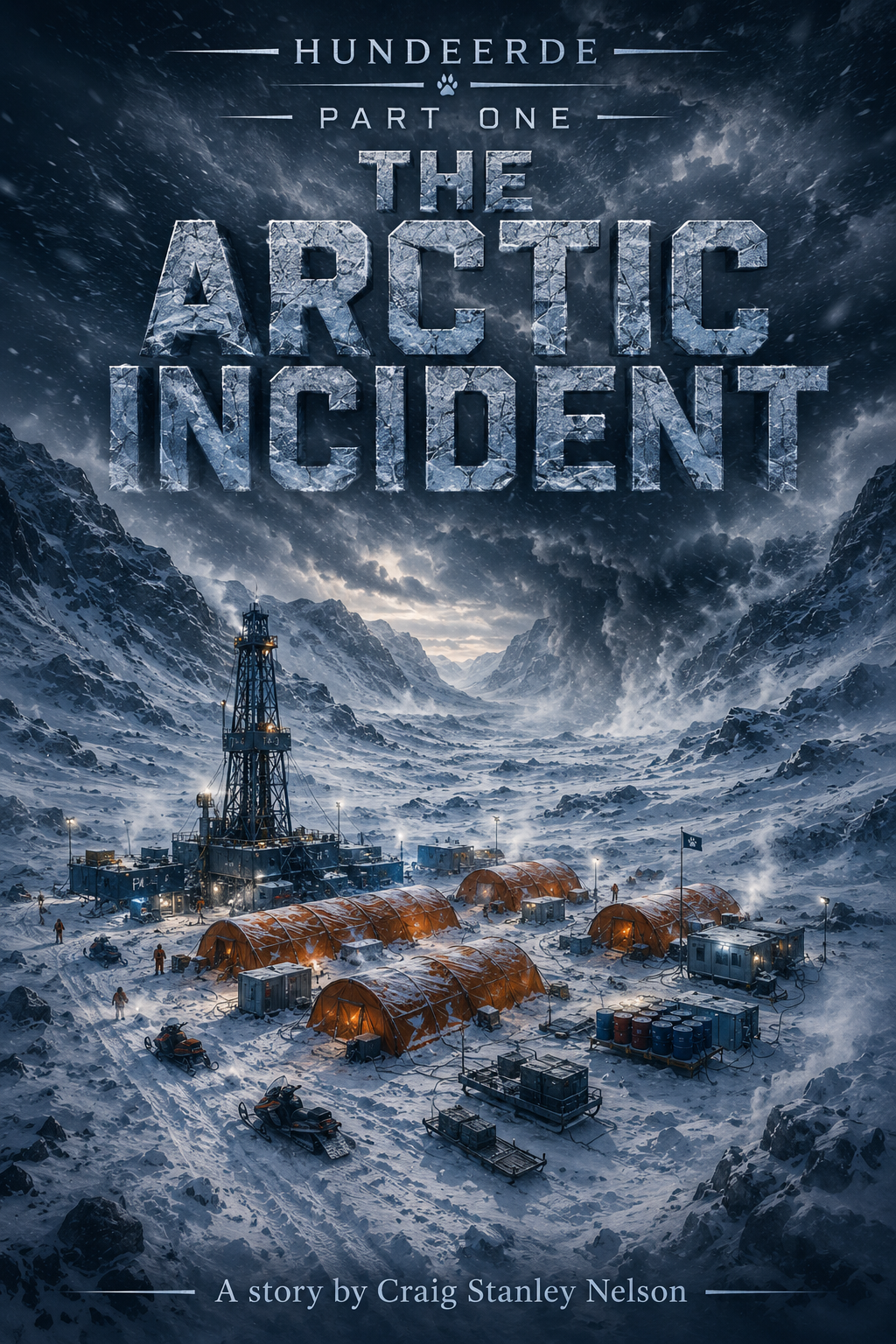
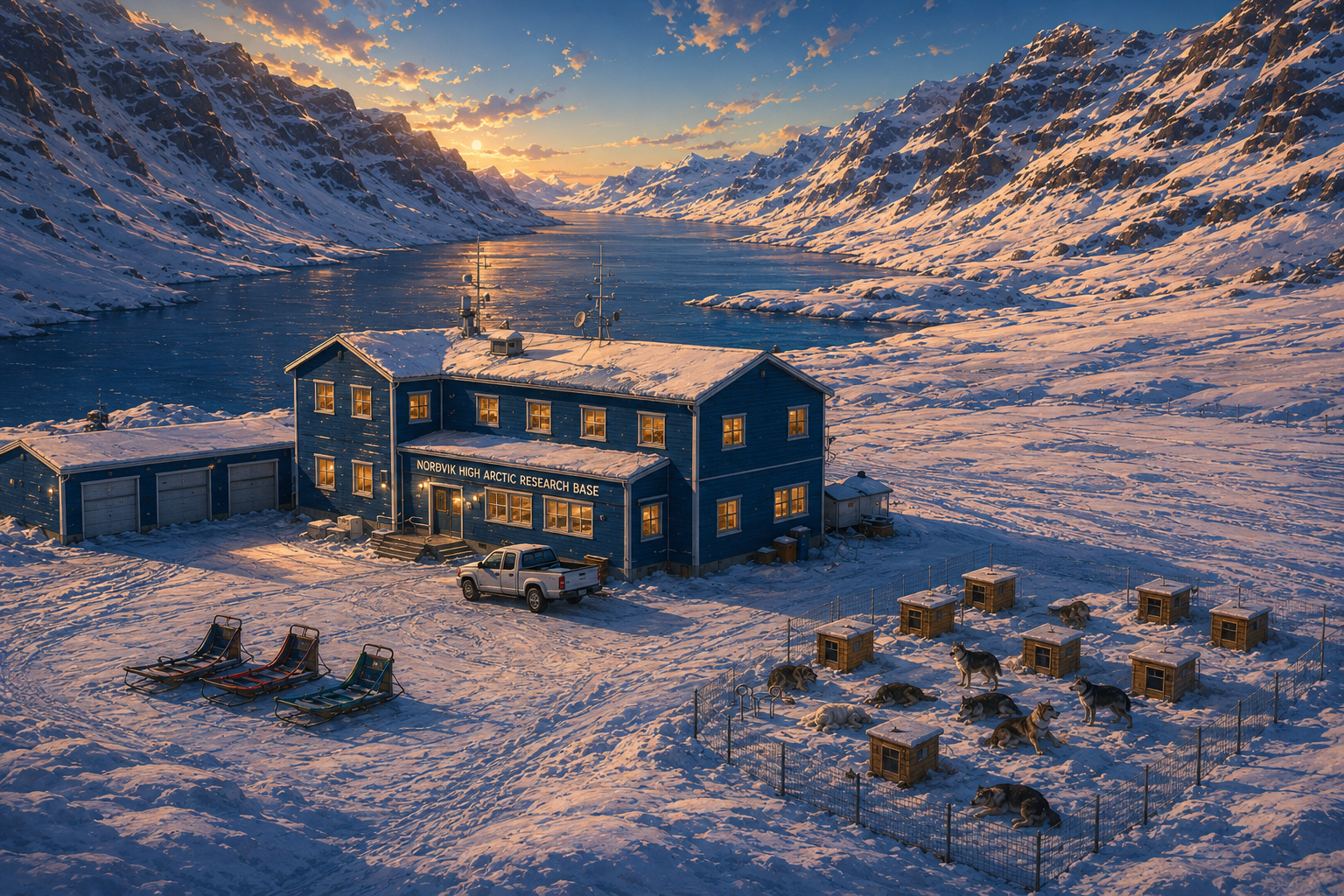
At a remote Arctic drilling station, a team of scientists and engineers make a discovery deep in the permafrost. What comes up with the drill should have stayed frozen.
Lead scientist James Jarvis sees the pattern first. A closed system. An infection with no source. He gets close to the truth, very close. One glove, one tear.
Not close enough.
The Arctic Incident is the story of a chain of lives, choices, and sacrifices that would echo across the stars for a generation.
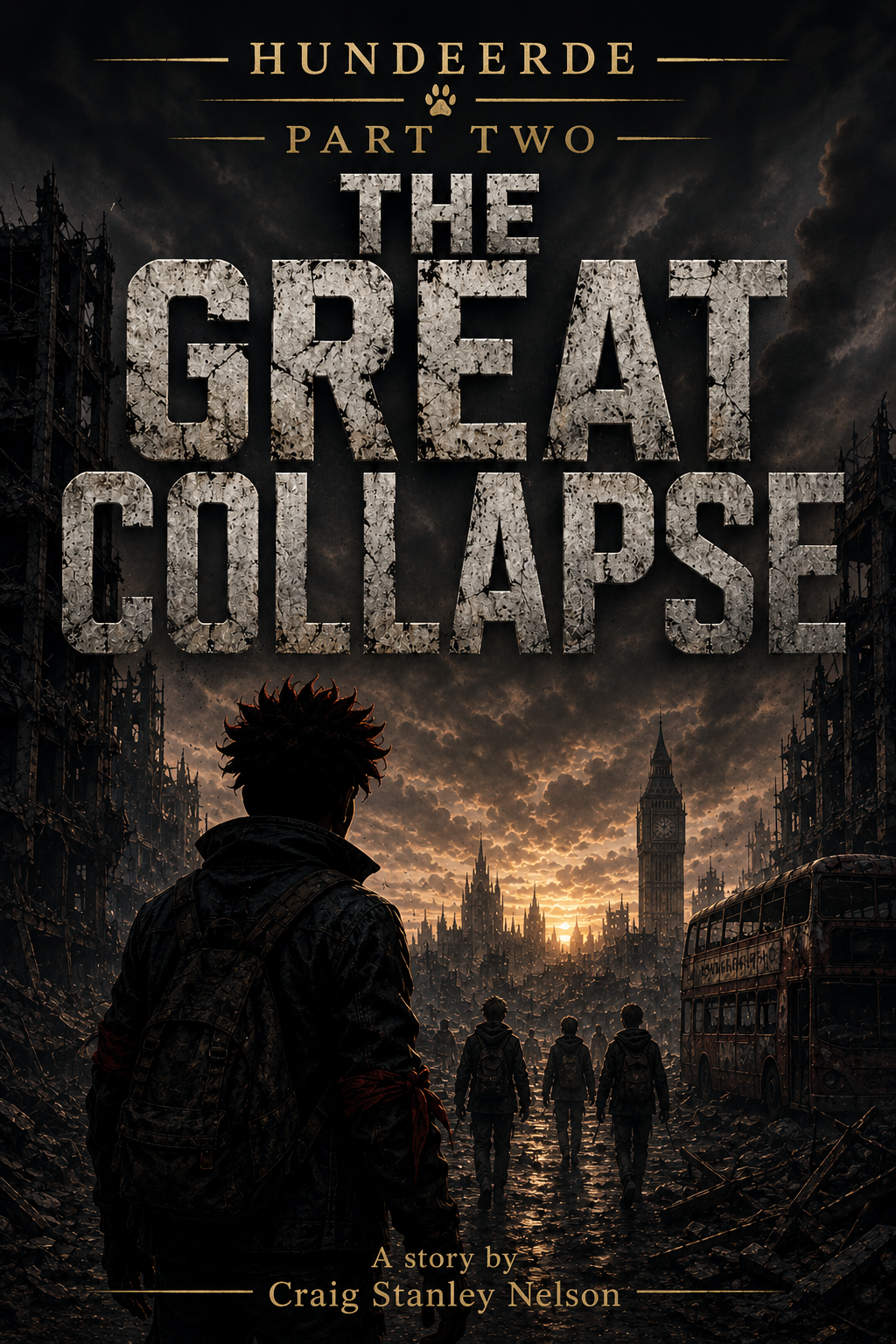
Three years after the virus, the world that remains is not the world that was.
Red is seventeen, streetwise, and harder than he has any right to be. He leads a clan of twelve kids through the ruins of what was once London; scavenging, hiding, surviving. The basement is home. The bucket is everyone’s problem. The Marauders are never far away.
The Great Collapse is the story of one night that changes everything. A flight through the dark. Nine stations walked in the underground. A boy who looked back at the wrong moment, and a choice made in a split second that only one person saw.
What happens when the person keeping everyone alive decides to run the other way?
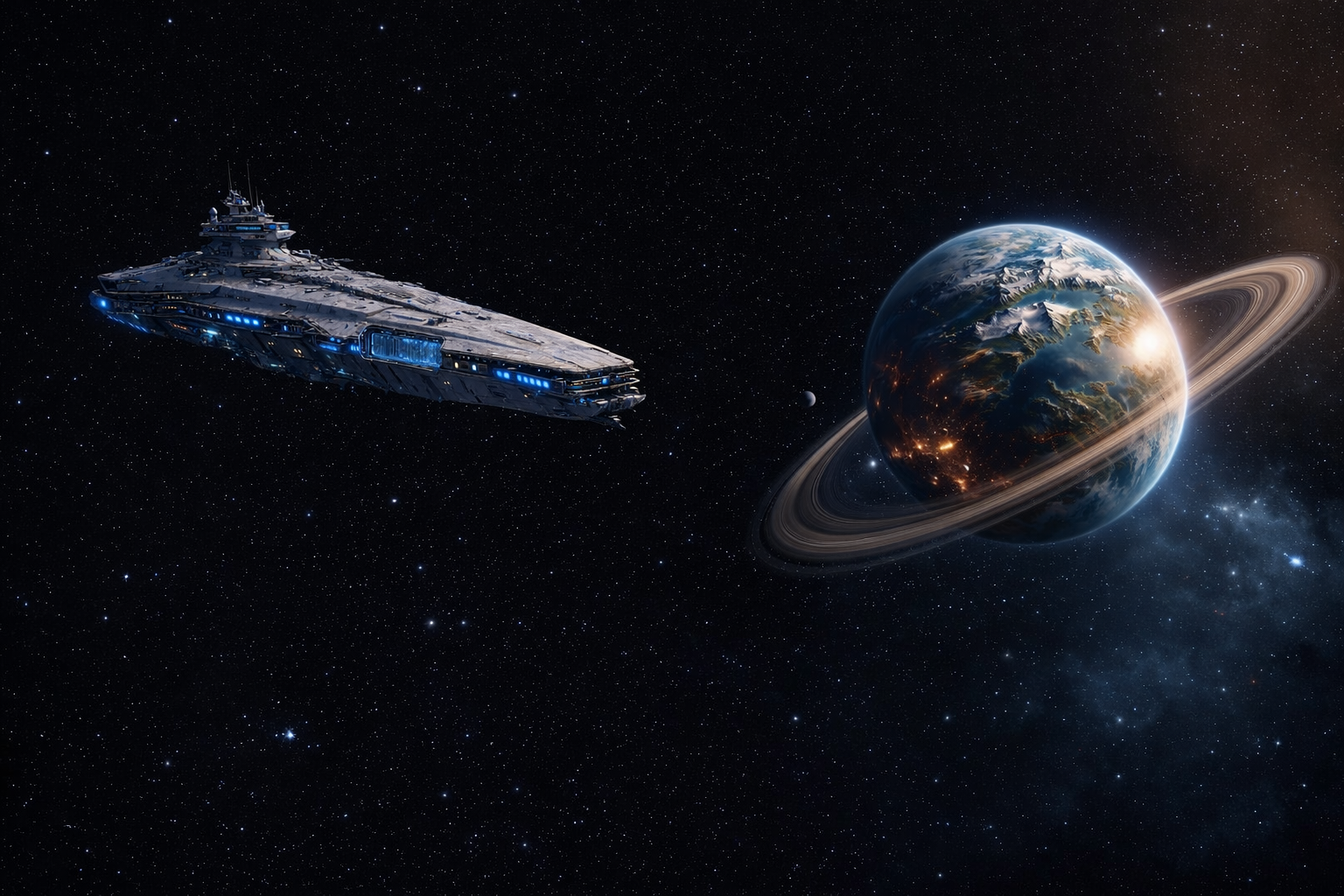
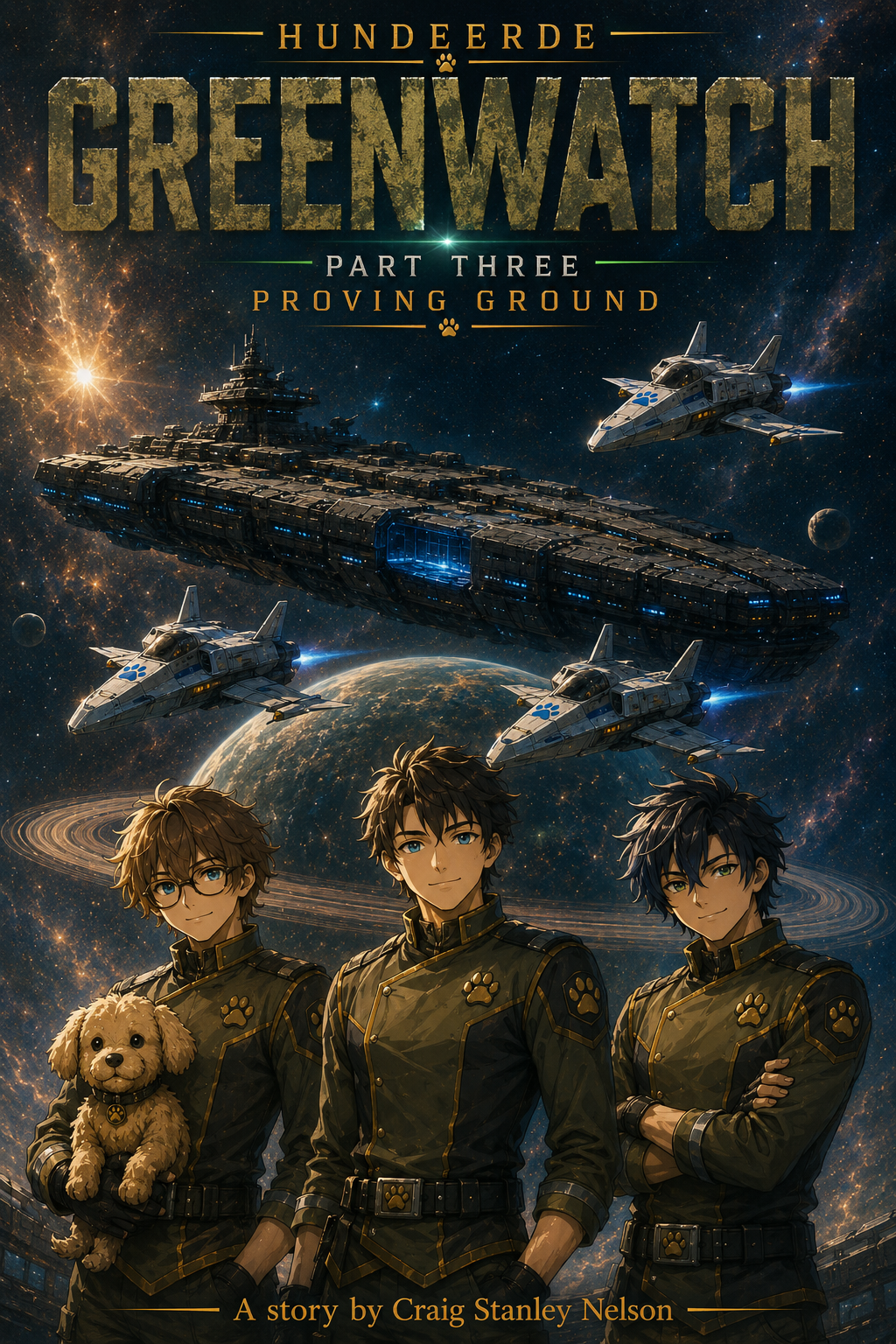
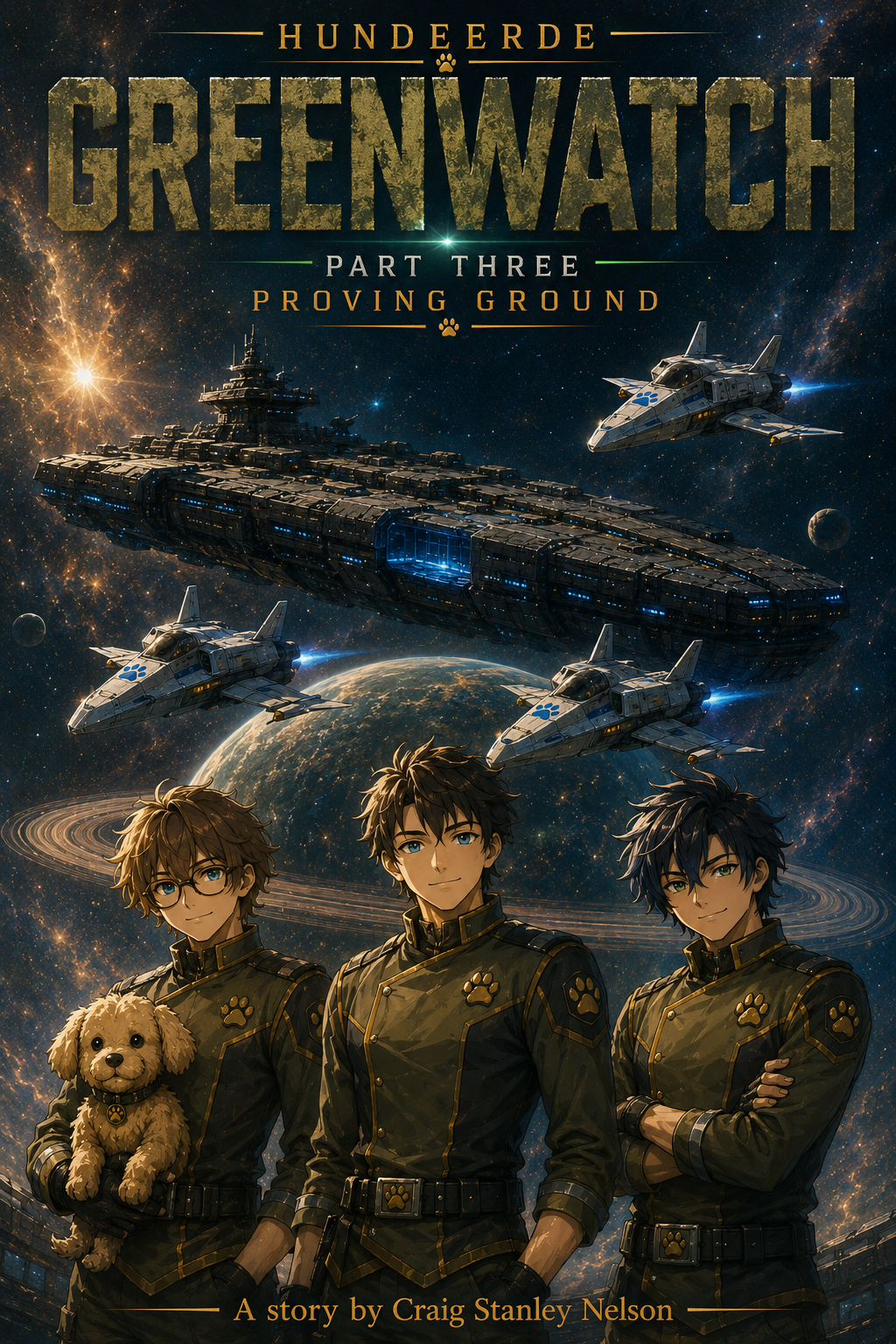
Seven years after the night that changed everything, three young men serve aboard the HSS Chasetail, one of three capital cruisers patrolling the skies above Hundeerde.
They now have call-signs and ranks. A life built from nothing on a planet with rings.
But something is out there. Probes. Non-organic. Smart and getting closer.
Lieutenant Sebastian Jarvis flies. Lieutenant Raven Cole watches. Lieutenant Lewis Vale, the youngest officer in Greenwatch history, notices things that don’t add up. And when Lewis notices something, it’s usually already too late to ignore it.
Greenwatch: Proving Ground is the story of what the boys from Earth became and the first sign of what’s coming next.
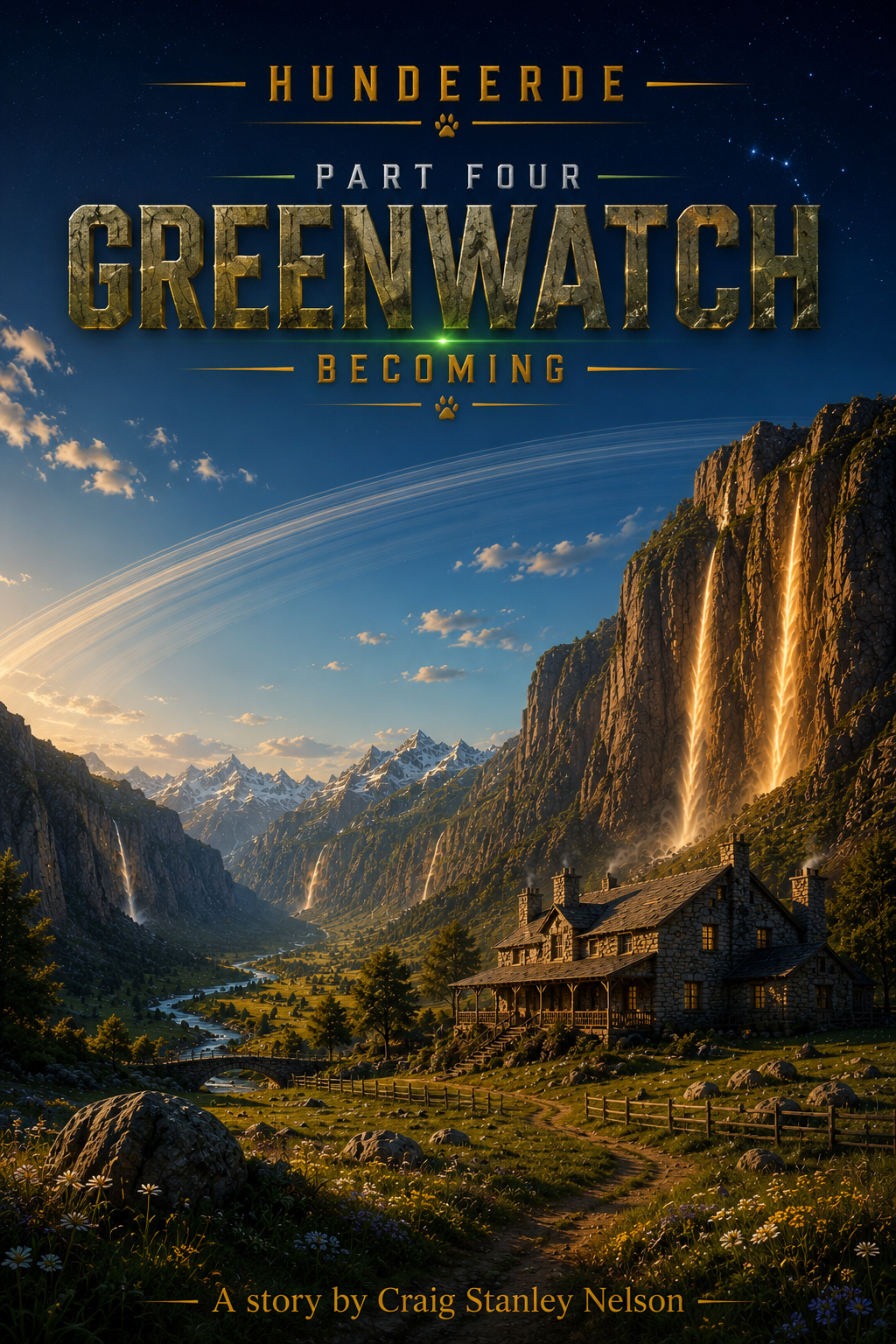
When twelve boys from a London basement walked down a shuttle ramp onto an alien planet they looked up at a sky with rings.
This is the story of what happened in between.
Greenwatch: Becoming follows Seb, Lewis, and Raven through seven years of growing up at Headwall Station, a working farm in the Greyfall Valley. There are chickens to feed, eggs to collect, cows to milk, and an old brass telescope in the attic that belongs to someone who isn’t there.
There is also grief. It doesn’t announce itself. It just shows up, in hands that can’t stay still, drawings in a notebook. In a stone necklace worn around a neck that conveys both memory and hope found.
Hundeerde is not Earth. But it turns out that hope doesn’t need to be from the same place as the people who need it.
New episodes of Part Four are released every Friday at 00.00 UTC.
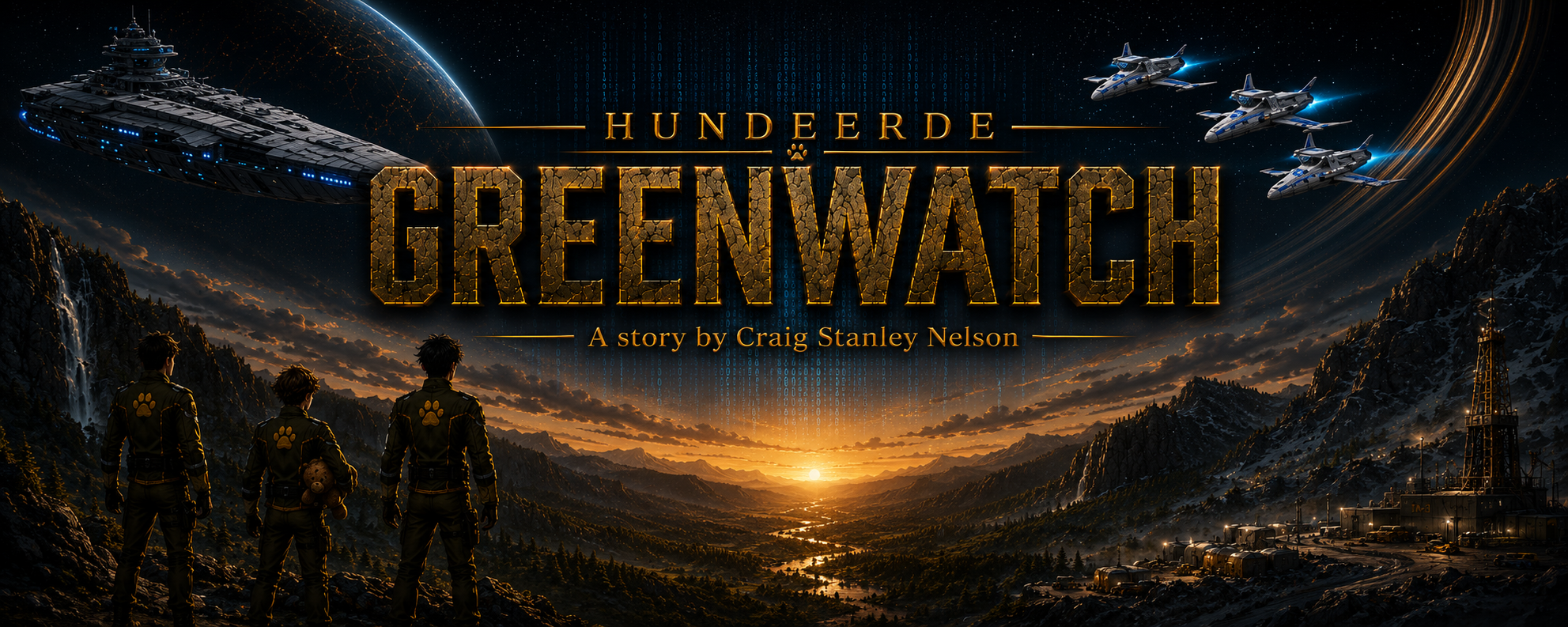
Hundeerde: Greenwatch is a graphic novel published in chapters, accompanied by illustrations. For spoken dialogue, it uses an avatar, the character’s name: dialogue, format.
Parts One, Two, and Three are complete. Part Four is ongoing. Part Five planning is well underway.
AI-Assisted Content — The author has used Claude (Anthropic) for editing and proofreading his original story. The story reflects the author’s voice, creativity, and structure; however, there may be minor incidental phrases generated by AI. Character avatar images and story illustrations are generated by ChatGPT.
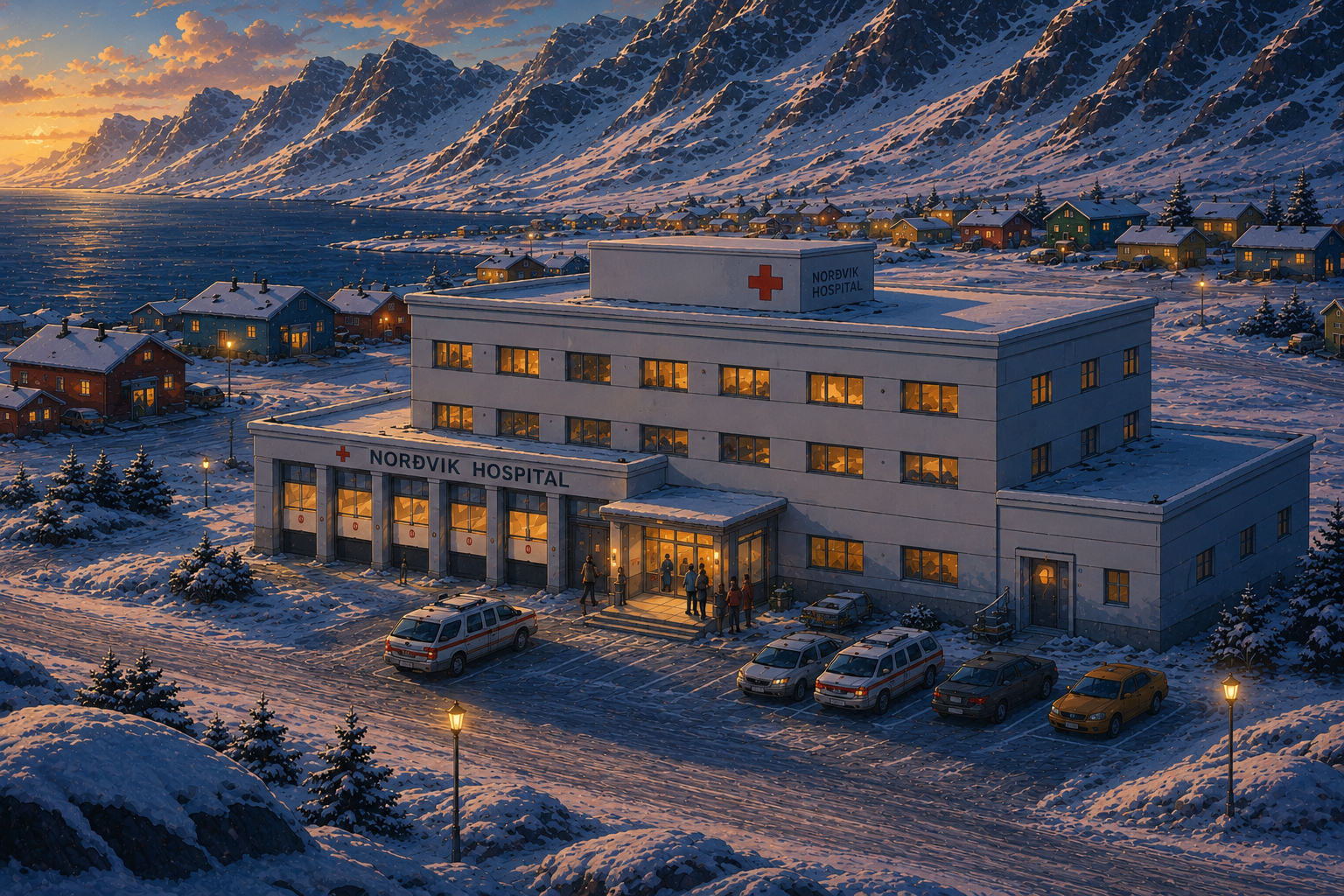
Inside Norðvik Hospital, the usual hum of its early morning routine carried through the corridors.
Staff arrived for their morning shifts, stopping by the coffee shop, hot drinks in hand to start their day. Institutional fluorescent lighting ran the length of the corridors as the cleaners mopped the floors, deploying a trail of wet floor signs as they went. Night shift handovers were well underway.
Eugene paused at the doorway, one hand resting briefly on the frame as he adjusted his mask. He pressed quickly at the bridge of his nose.
❄️ Nearing the summit of Vindskarð Pass — “The Wind Notch” ❄️ The Storm: Day 3
The wind had eased enough that the storm’s mood was a little more contemplative, as if assessing its next move. The climb out of Norðvik had been long and sustained. Visibility had opened enough to travel, but the terrain remained cloaked with fresh snow and deep wind-blown drifts.
The hunde in the lead would need to remain cautious, optimising for speed over safe arrival.
General Jake “Ice-pick” Husky, the Arctic Division Commander, had taken immediate and direct command of the rescue. Huxley was not only a well-respected Arctic expedition commander but he was also a personal friend. The two old war dogs, kriegshunde, shared a long and colourful history.
The sled dogs pulled smoothly, not too fast and not too slow. They had been moving like this for hours. The three teams steadily clocked off each waypoint, bringing them a little closer to their planned rest stop, a bivouac site where they would drop most of their heavier items, a small marked cache of vital supplies: shelter, food, and medical. The supplies would remain ready and waiting for their return to the lee of the pass. Following a brief rest during the darkest hours, the teams would soon crest the pass and then make the shorter, steeper, switchback descent into the glacial valley below.
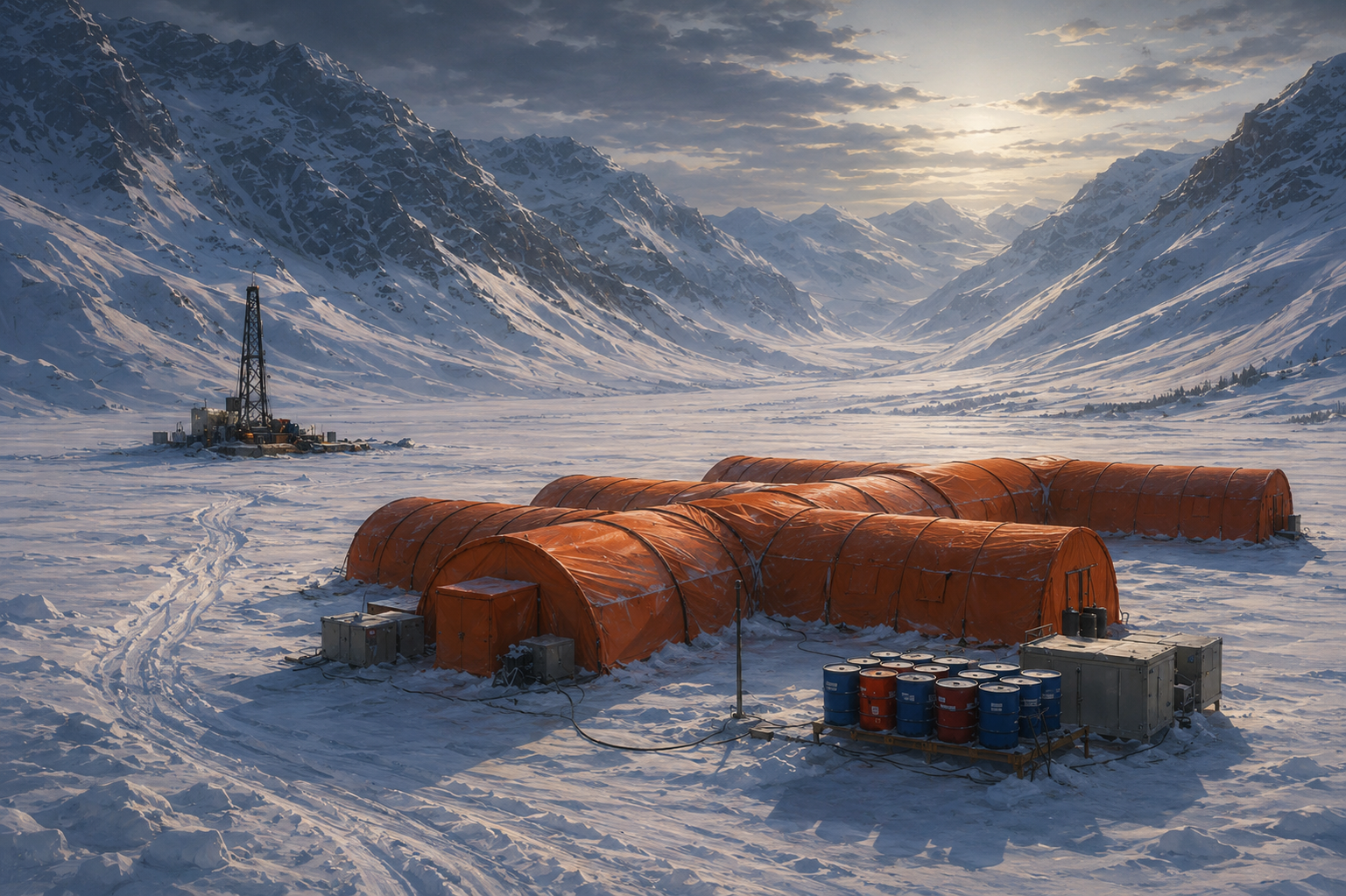
Thermal Array – 3: Research Drilling Station, High Arctic ❄️ The Storm: Day Two
The storm did not pass; instead, it strengthened.
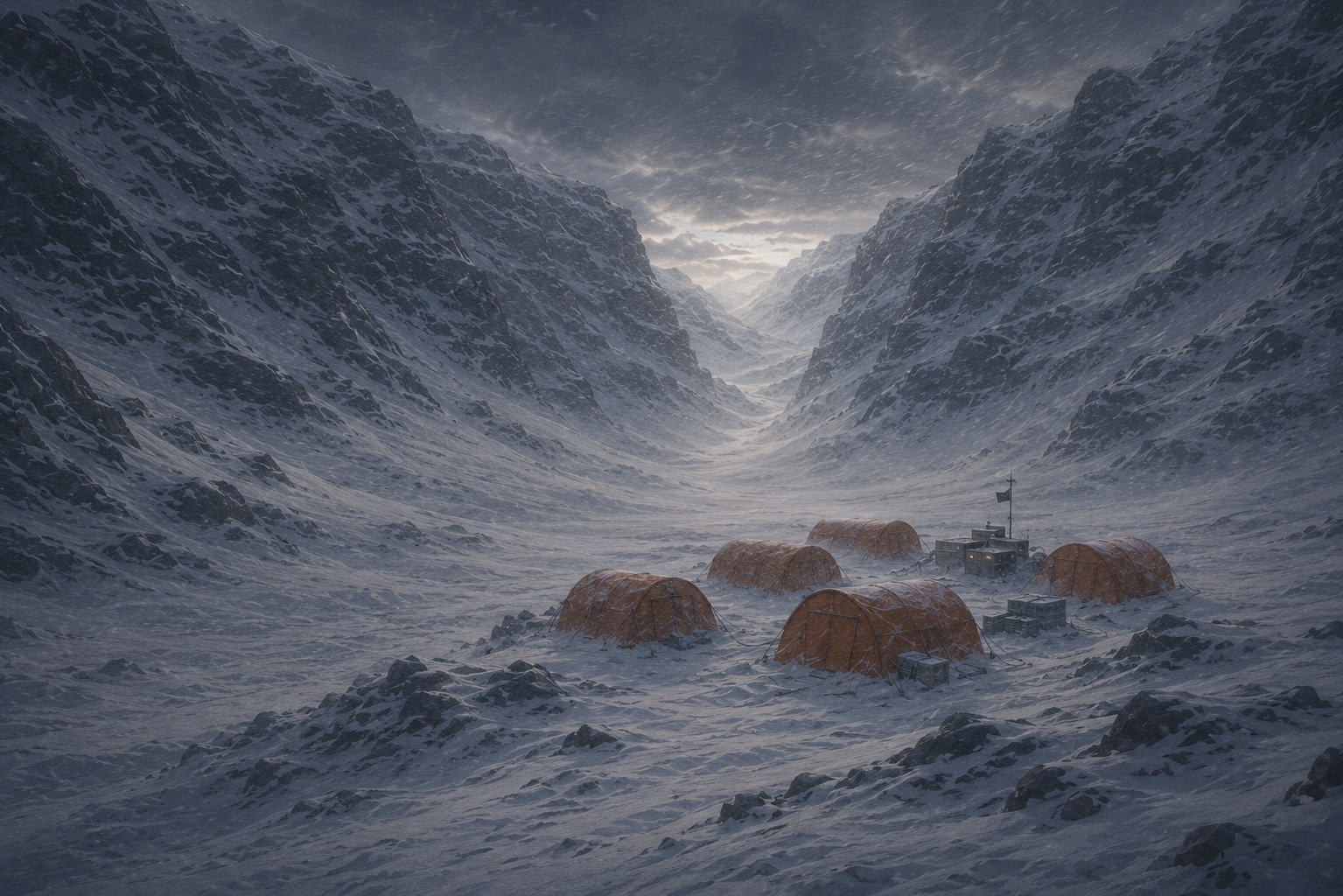
Through the second day, severe katabatic winds drove down from the heights, pummelling every surface, every line, and every anchor point.
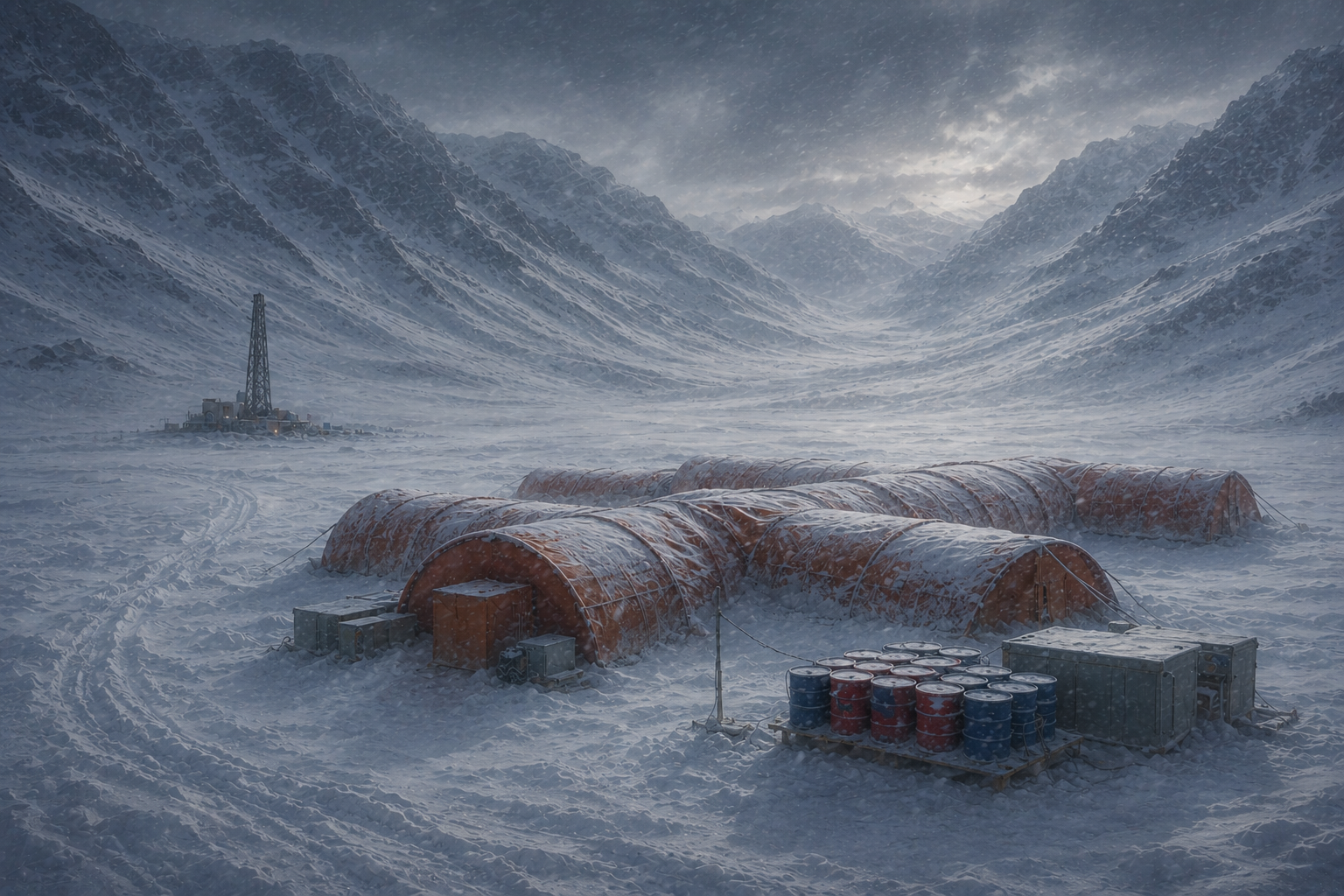
The tents flexed continuously under the sustained force, snapping back and forth against their anchors as fabric and seams strained to their limits.
Small tears had begun to appear in the outer shells, while snow drifted and built up along the sides and across the roofs, adding further weight and stress.
A sharp, whip-like crack sounded from just outside the main tent.
Thermal Array – 3: Research Drilling Station, High Arctic ❄️ The Storm: Day One
At 06:03 precisely, it hit.
There was no polite prelude and there was no gentle build-up. The storm hit with a ferocity that no-one expected.
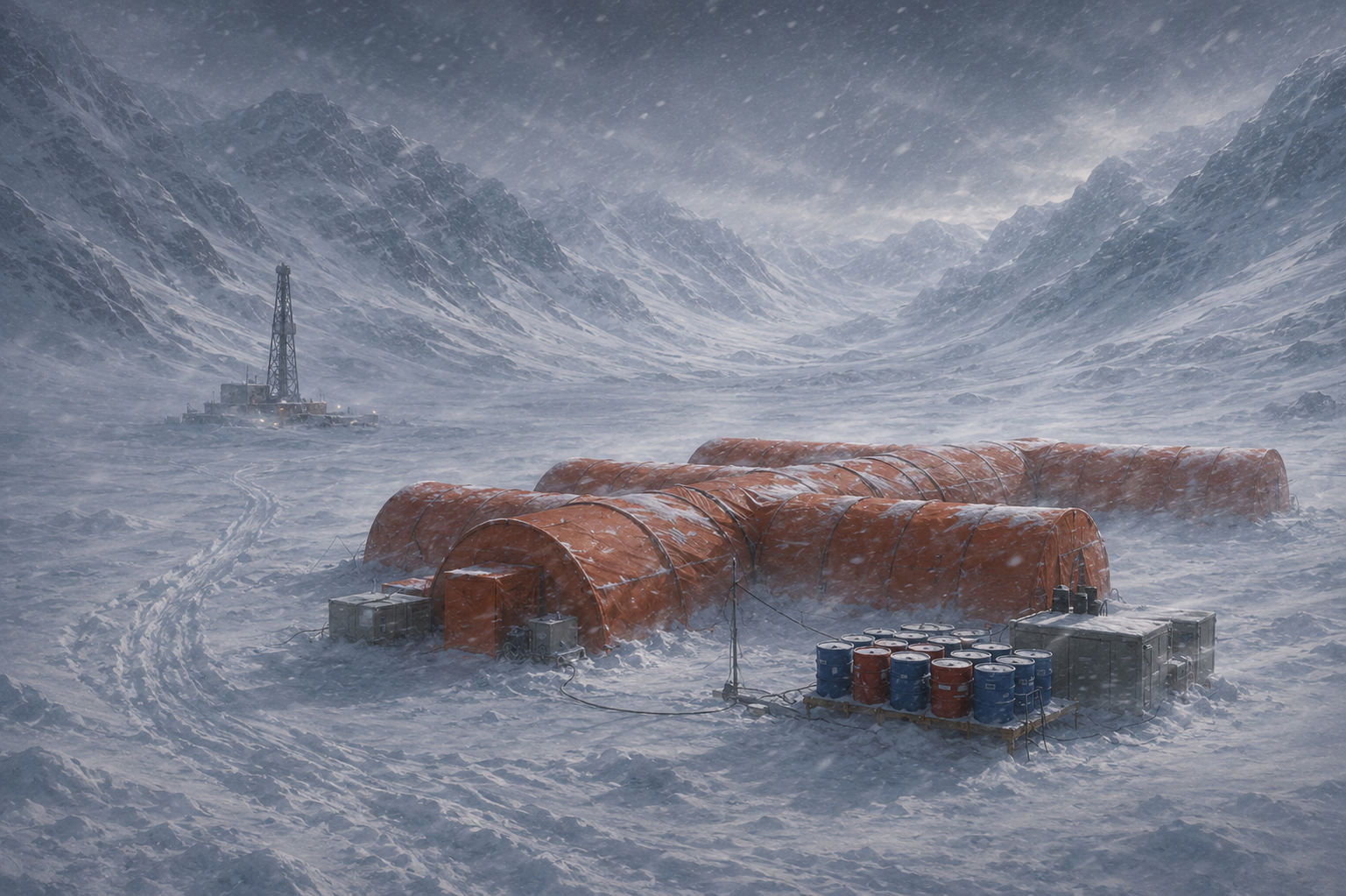
The first impact came not as a sound, but as force, roaring in like a freight train, a wall of moving air slamming into the camp hard enough to make the tents shudder violently against their anchors. The wind was immediately accompanied by thick snow, driven sideways in dense, blinding sheets.
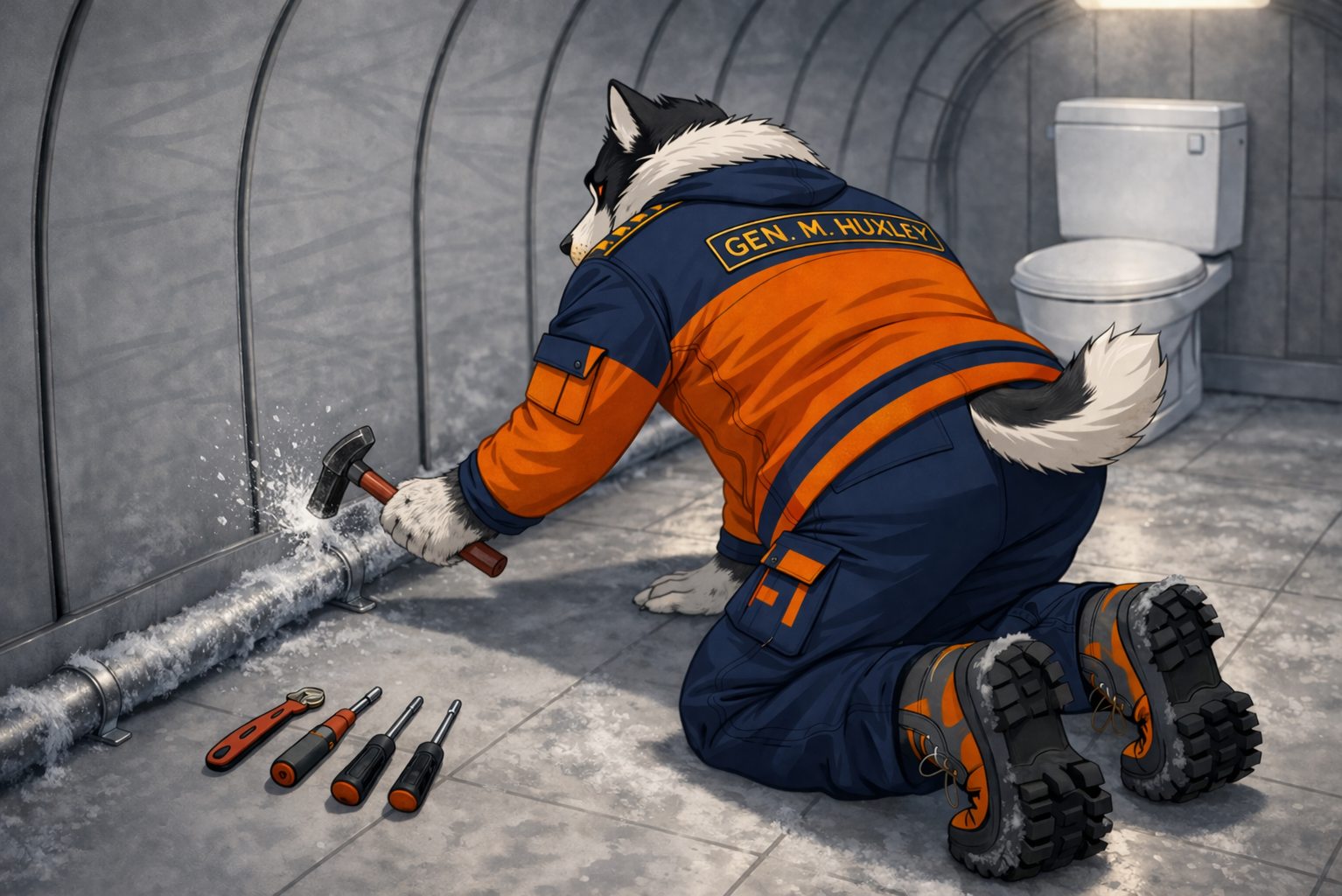
TA-3Research Drilling Station: Shower and Sanitation Facility
A short, stubby tail gave a faint, irritated twitch. Attached to the tail was a stocky behind, a pair of hind legs, and a pair of arctic boots that completed the view.
General Marvin Huxley was down on all fours, gently tapping his way along a frost-covered pipe with a hammer. His remaining tools were laid out in a neat, deliberate line beside him.
Tap, tap… crack! A lump of ice and biomass gave way somewhere inside the pipe.
Earth, High Arctic: Thermal Array – 3, Research Drilling Station
The drill core bit cleanly through the ice, deep into the permafrost and the rock below. A low, steady vibration ran up through the frame as Matthias leaned into the rig, boots braced, gloved paws firmly on the controls. The sound was constant, a controlled deep mechanical hum cutting into the frozen ground beneath them.