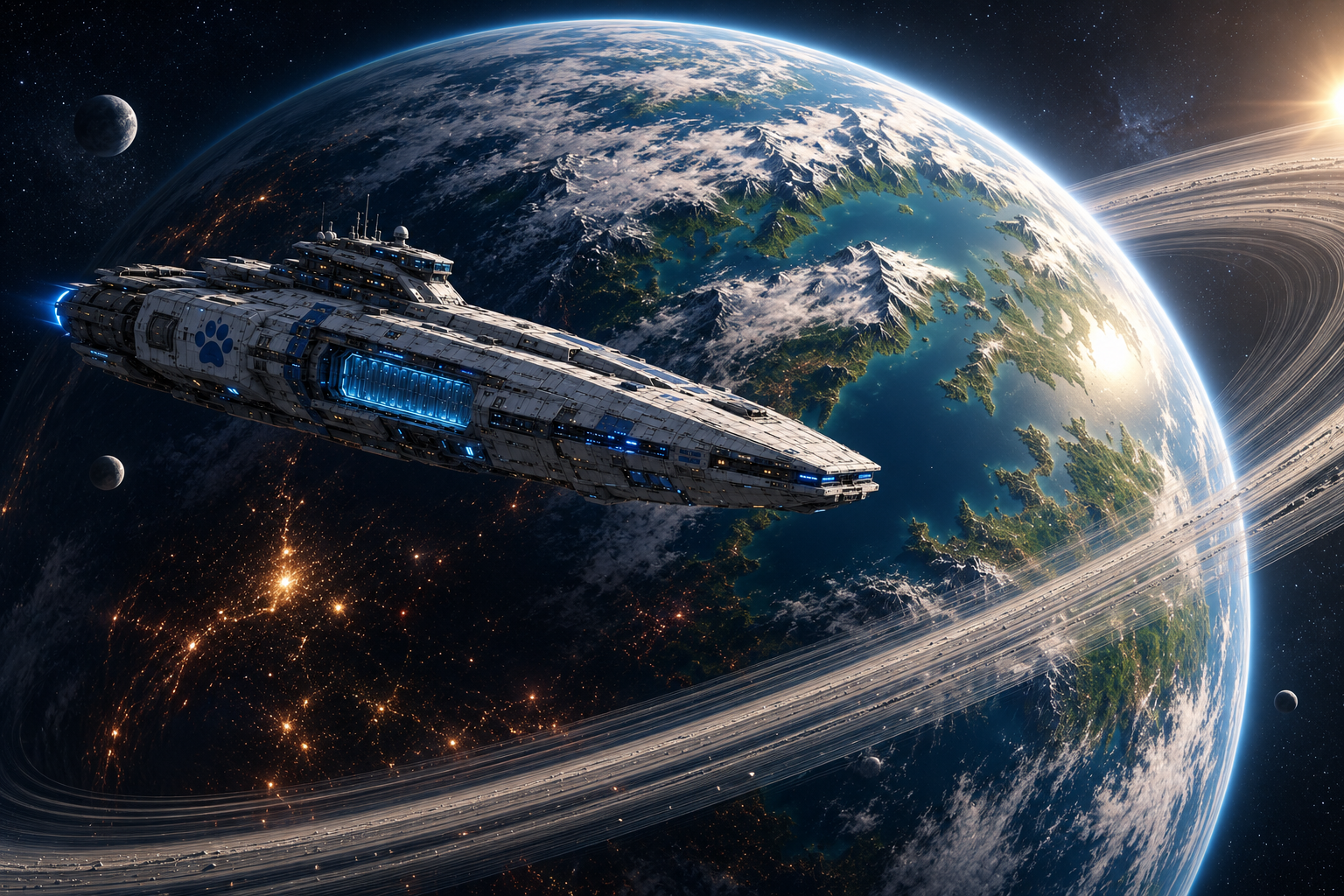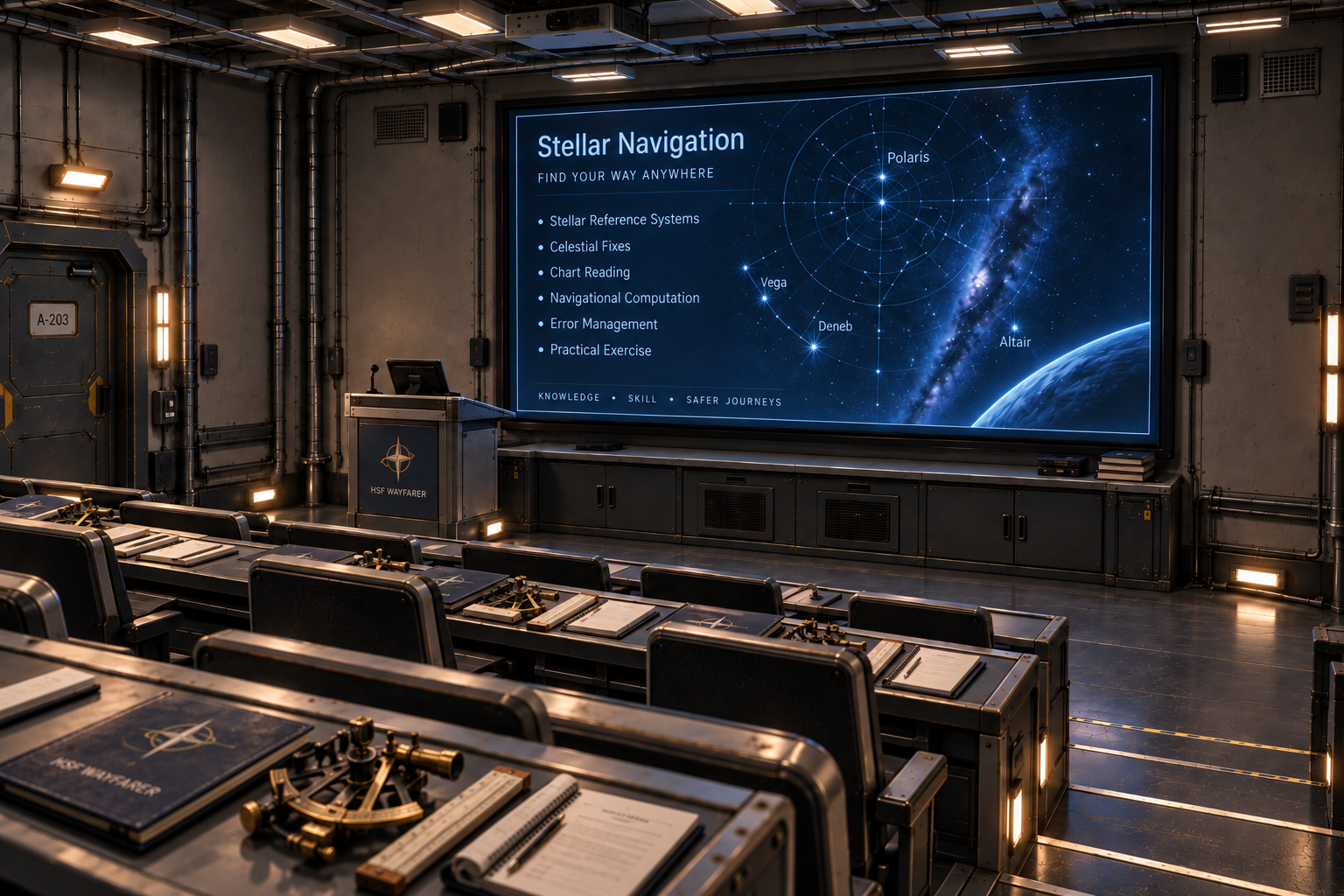
Wayfarer — Stellar Navigation Briefing
The weeks and months of the senior phase of training had flown by in a blur, with progressively longer and more complex training missions in the Houndswifts. Initially their Houndswift flights had been with an instructor in the rear seat, but then they had progressed to having one of their wing-mates riding shotgun in the rear. However, the thing they were all looking forward to was to be checked out and rated in the single-seat X-fighter, bringing back happy memories for the Veldmeer pilots of the first time they had ever got into a single-seat glider — no instructor, and no one else to fly the craft except themselves.
The Stellar Navigation briefing for their first X-fighter flight was to be taught by Lieutenant Commander Noah “Patch” English, a very shaggy Old English Sheepdog. While he did teach modern stellar navigation, he still remained resolutely old school, insisting that they actually understand the calculations needed to navigate the stars and beyond.
As the cadets filed into the class for their briefing, they immediately noticed two items had been placed on each desk. Two items of antiquity sat waiting — items which, even by English’s standards, suggested he’d finally outdone himself. These items were not just old school; they were virtually primordial.
On each desk was a brass sextant and a slide rule.
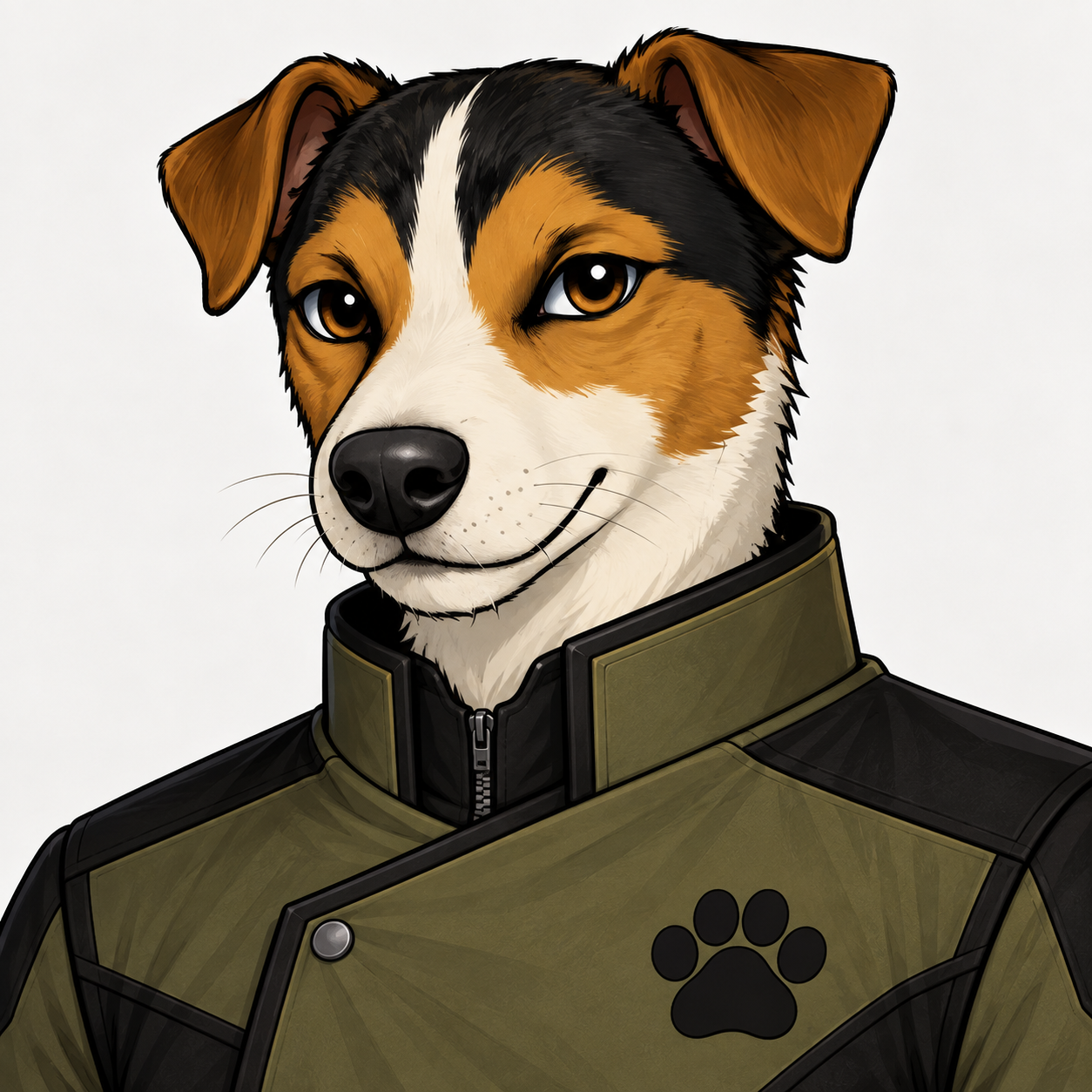
Timo: What the flying fudgsicles are these things?
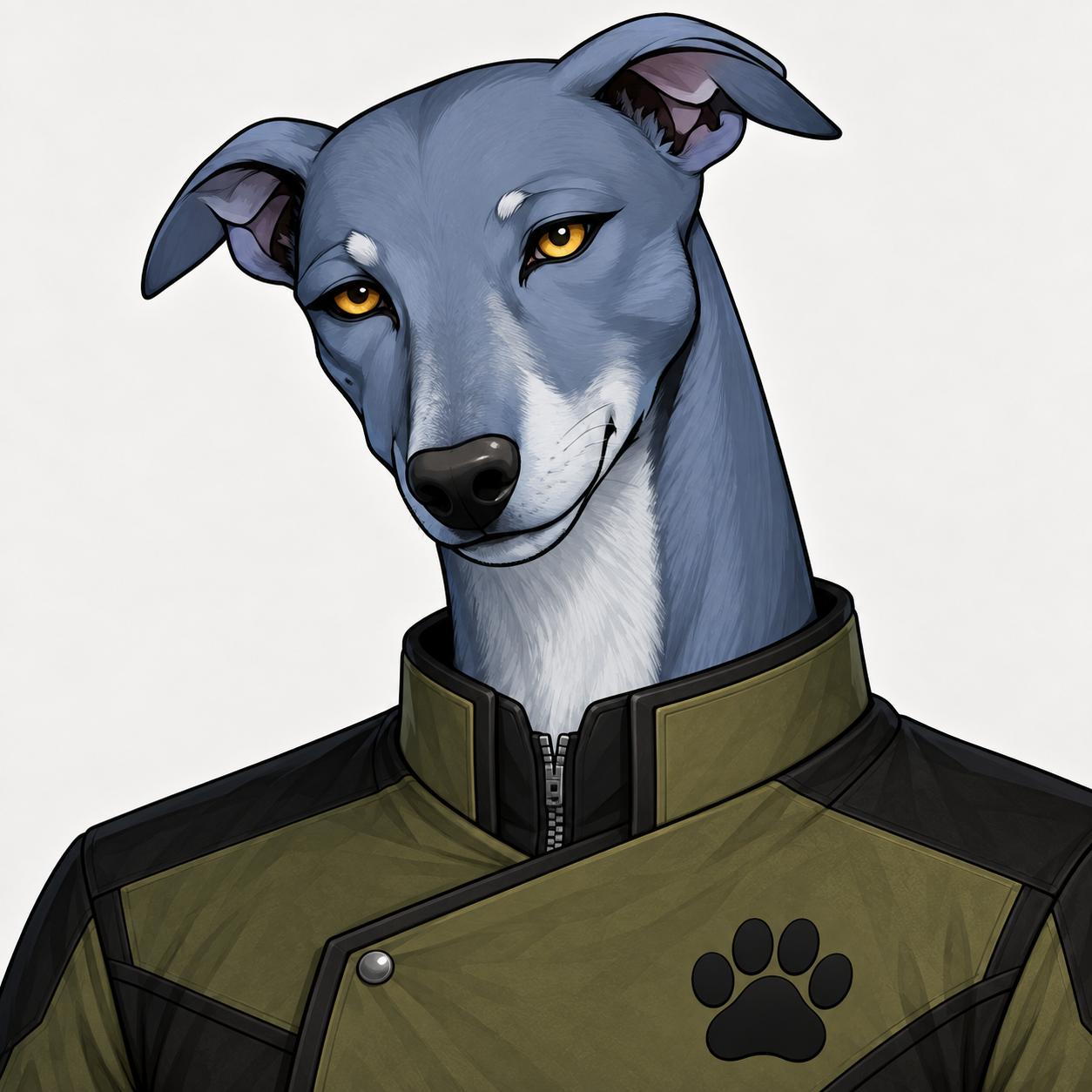
Hans: Those, my dear Fang, are a sextant and a slide rule.
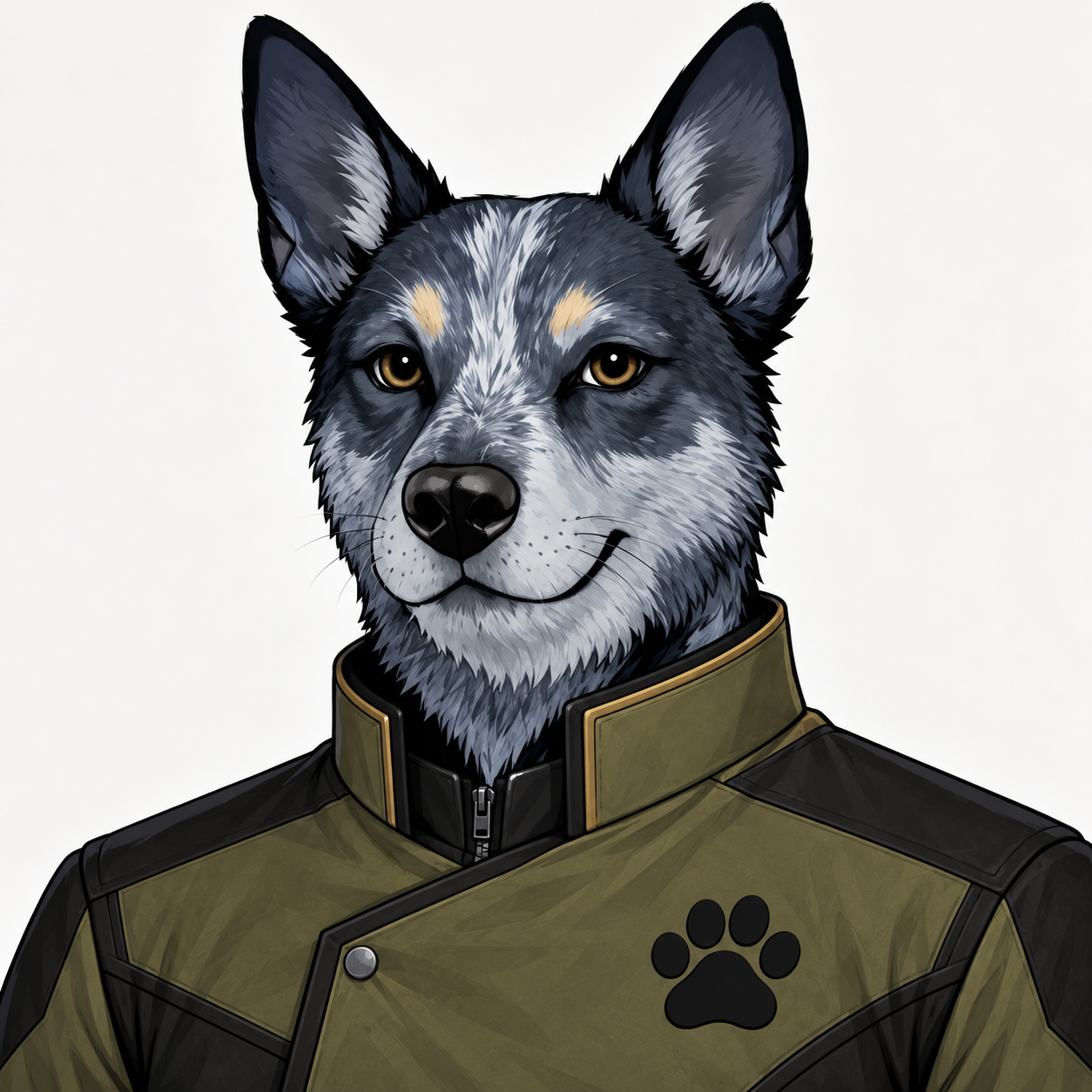
Toby: Kinky.
Hans: A sextant was used by the old Earth sailors of wind-powered sailing ships to navigate using the stars. Sextants and slide rules were still used on old Earth by the original Apollo astronauts when they first flew to their Moon. They measured the angle between a star and the horizon of a celestial body, such as the Earth or the Moon, with a space-sextant and calculated the flight vector angles with a slide rule.
Timo: Can’t see why we’d need to use them with our advanced navigation systems.
When Lieutenant Commander English entered the classroom, the cadets immediately stood to attention.

English: Thank you, gentlemen, please be seated.
English paused for a few moments as the class settled and took their seats.
English: Today, gentlemen, it is my task to ensure that you are properly briefed in navigation for your upcoming first X-fighter patrol flight to Wolfzahn. You will all have noticed that there are two rather unusual items of equipment in front of you on your desk today. A sextant and a slide rule. You may even be wondering why they are there.
A murmur of nervous laughter, mixed with looks of curiosity, confirmed his suspicion.
English: Your first patrol flight to Wolfzahn will have one added feature as a mission objective. You will power down your craft’s navigation systems completely and then measure and calculate both your current position and your route vector back to Wayfarer using a sextant and a slide rule.
Can anyone tell me why you would ever need to do this?
Timo: In case Tick Tock tries to toast his sandwich and fries his nav computer.
SWACK!
English: Thank you, gentlemen, that is surprisingly close but not quite.
What could fry your navigation computer, and the rest of your instruments as well, is a stellar solar flare. You will be aware that the Delta-6-Gamma-9 hyperspace corridor that runs close to Betelgeuse has, for example, been experiencing some temporary closures recently due to an increase in solar storm activity by that star, resulting in potentially dangerous solar flares in that corridor.
One day you may need to fly blind, and knowing how to use these two instruments of antiquity is what gets you home.
They then spent the rest of the class learning how to use both the sextant and the slide rule to find their current position using a sun-fix and then calculate proper flight vectors with their instruments dark and powered down.
Red-Wing Patrol
Lieutenant Commander Klaus Adler was sitting strapped into an X-fighter on the flight deck of the Wayfarer, engines live. With him were five others: Seb, Raven, Timo, Hans, and Toby, all ready for their first ever flight and real patrol in the single-seat fighter. Each of the cadet pilots had completed several hours of simulator training in Simulator Bay B, flying the X-fighter, Hundeerde’s primary defence intercept craft.
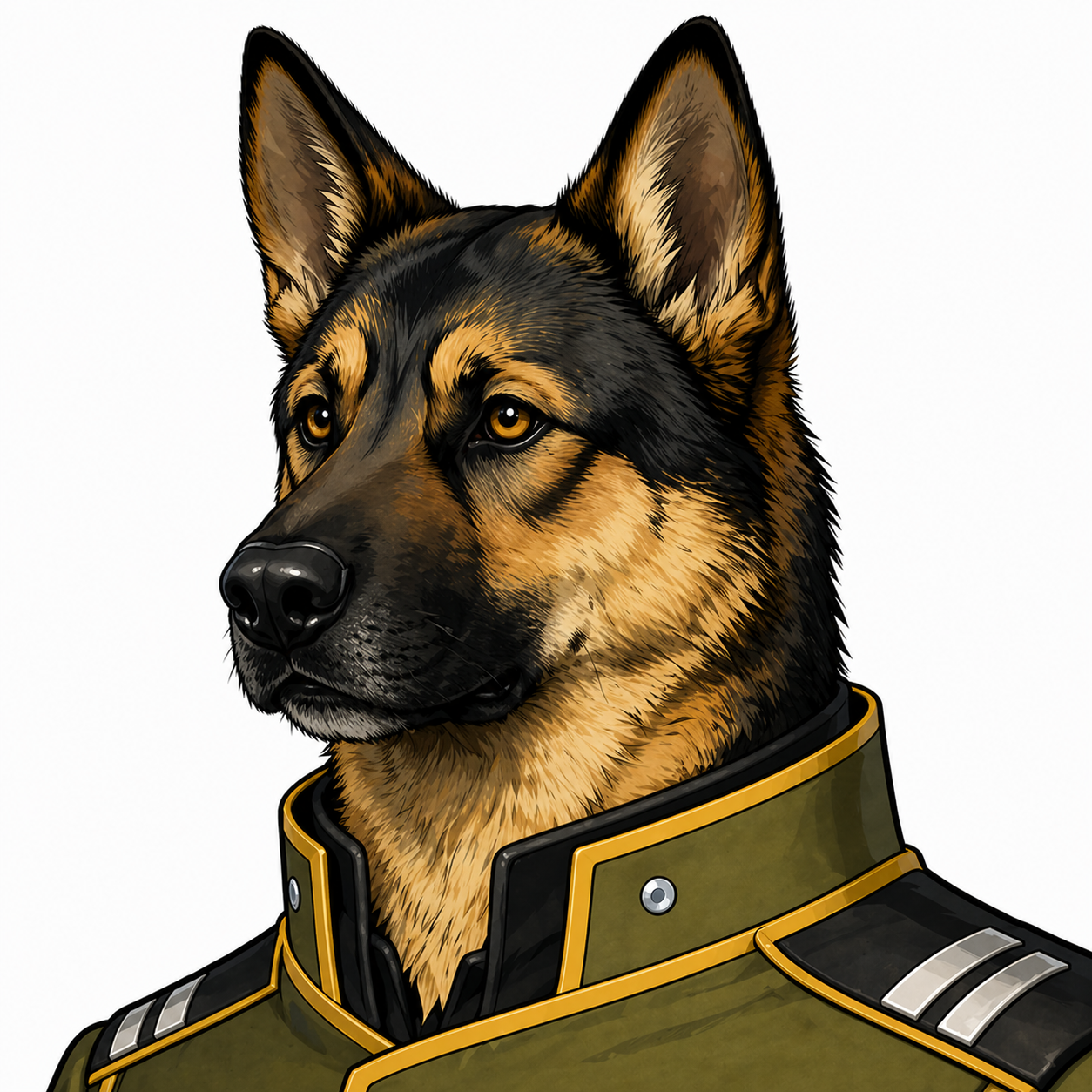
Klaus: Red-Wing—Keel-One, confirm ready for departure.
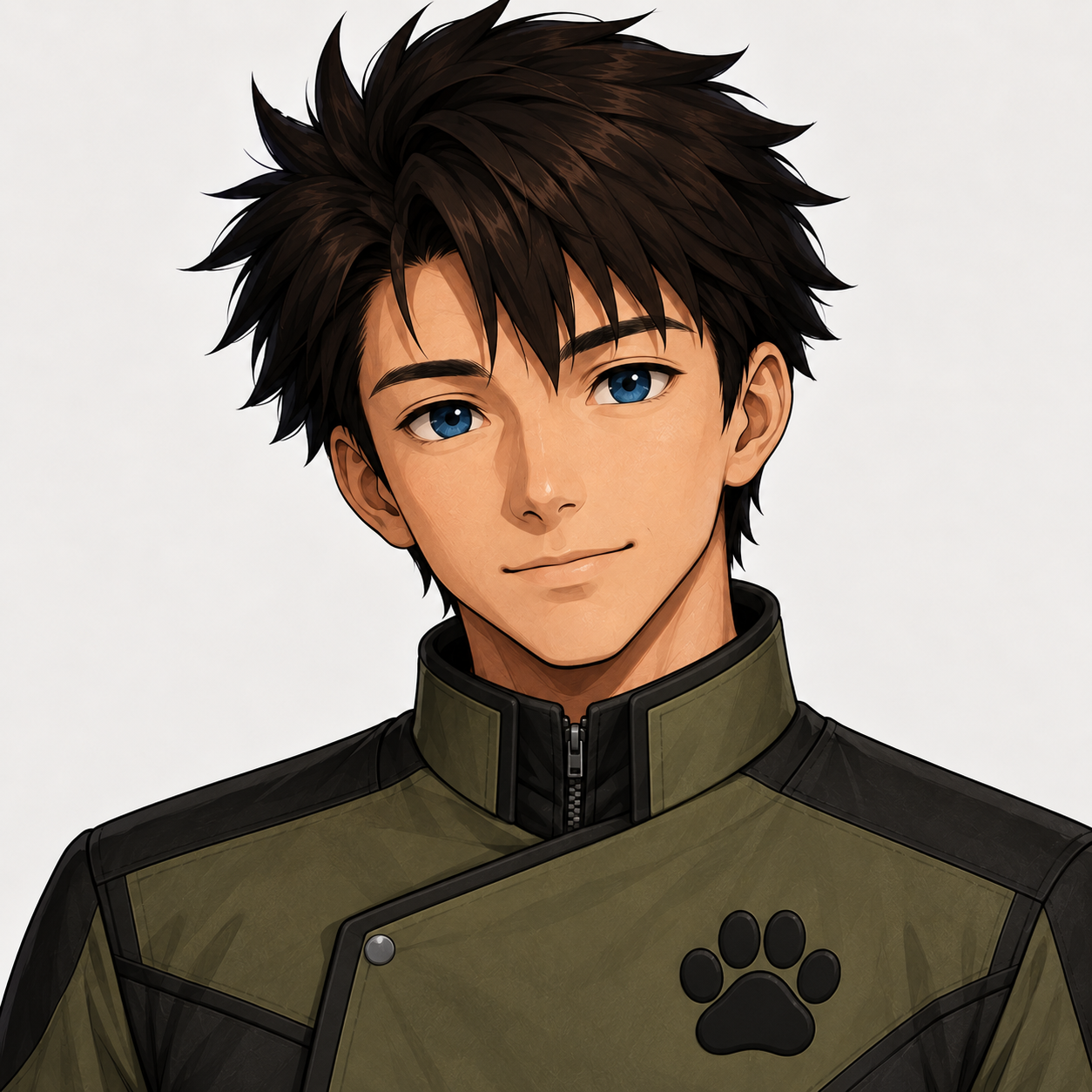
Seb: Keel-One—Red-One, ready and standing by.
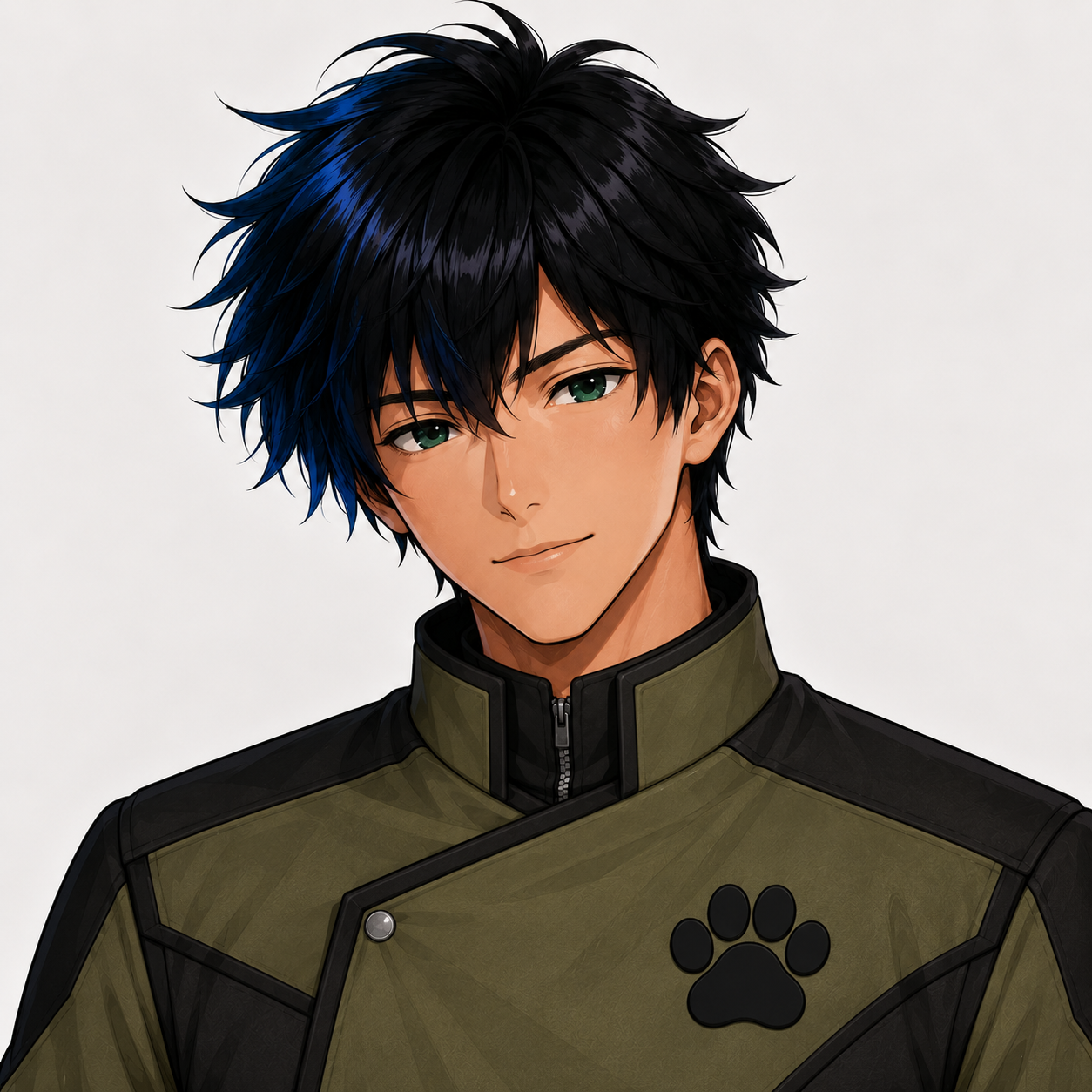
Raven: Keel-One—Red-Two, ready and standing by.
Timo: Keeeel-One!—Red-Three, I’m read-deey and stand-ding-by!
Hans: Keel-One—Red-Four, ready and standing by.
Toby: Keel-One—Red-Five, I’m ready and I’m standing by.
Klaus: Wayfarer-Comms—Keel-One, Red-Wing is ready for departure.
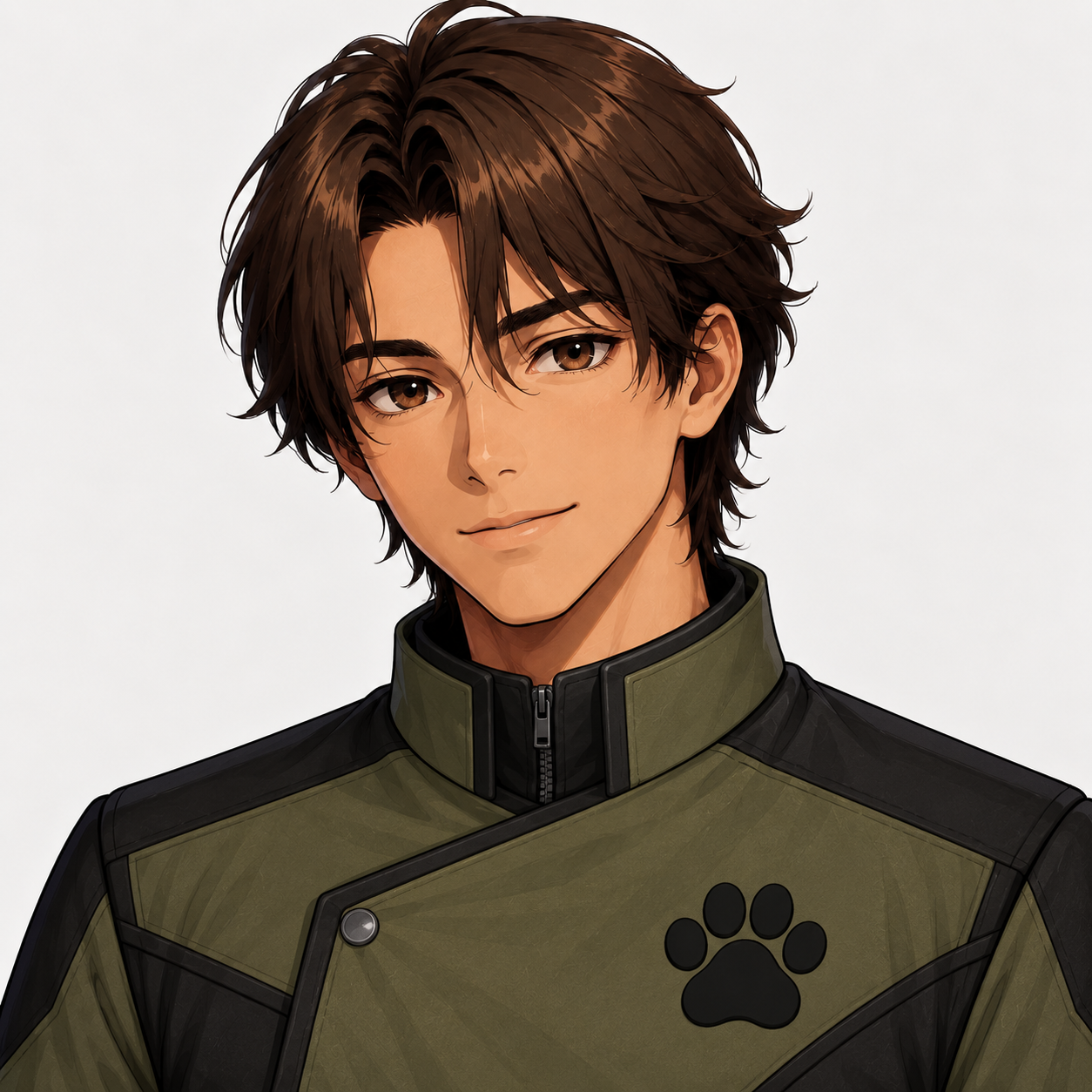
Scott: Keel-One—Comms-Two, Red-Wing is cleared for departure, port-side curtain. Standard vectors, open comms.
Klaus: Comms-Two—Keel-One, acknowledged.
Red-Wing—Keel-One, prepare for departure, port-side curtain, my lead.
Rendezvous Tind 39-Alpha. Switch to open comms.

Lewis: Keel-One—Comms-One, open comms confirmed, voice-activated loop is live.
Scott: Keel-One—Comms-Two, corridor Delta-6-Gamma-9 is open, no expected flare activity.
Klaus: Wayfarer-Comms—Keel-One, all acknowledged.
The six X-fighter craft of Red-Wing gently rose from the Wayfarer flight deck and slipped one by one through the portal curtain, led by Klaus. Once assembled at Tind 39-Alpha, the mission departure point, Klaus called for each pilot to make their final pre-departure checks. Each pilot then confirmed over the open communications loop that their checks were complete. Klaus called again to set their course and destination.
This was it. The cadets’ first ever jump from normal space to hyperspace. Seb’s hand tightened almost imperceptibly on the control stick, and he had the urge to run his other hand through his hair, except he was unable to, due to his helmet.
Timo wiggled his butt firmly back into his seat. He was ready, and he had been ready for this since his first day at the Theden Academy.
Raven, entirely focused on his instrument readouts, made sure that every number was exactly as it should be; however, he unconsciously touched where the red stone of his necklace was, albeit under the fabric of his flight suit.
Hans checked and rechecked his instruments, breathed in once through his nose, and let the breath out in a gentle pant through his mouth.
Toby, the most relaxed of the five, casually flicked his eyes around the cockpit and his instruments, taking everything in, and slipped smoothly into his allocated place in the formation.
Klaus: Red-Wing, set course Bearing—0-9-4, Mark—Negative—0-6. Prepare for jump to hyperspace corridor Delta-6-Gamma-9. Tight formation.
Red-Wing! On my mark! Three—two—one—MARK!
On Klaus’ mark, the six X-fighters activated their hyperdrives and made the jump, punching through from normal space to hyperspace. The jump gave each X-fighter a single moderate kick, with a brief increase in G-force, before each craft settled into hyperspace speed. Individual pinpoints of the stars became streaks, and there was the distinct feeling of being in a large circular subway tunnel.
Klaus: Red-Wing, report all systems nominal.
Each of the pilots then gave a return call, confirming nominal systems.
Klaus: Wayfarer-Comms—Keel-One, tracking and comms check.
Scott: Keel-One—Comms-Two, jump confirmed, tracking you in corridor Delta-6-Gamma-9. Comms are moderate and readable. Advise, hyperspace ionic wash is reading variable. Expect Wayfarer comms to drop in and out.
A few minutes later, Klaus called again in preparation for Red-Wing to turn onto a spur off the main corridor that would carry them all the way to Wolfzahn.
Klaus: Red-Wing, prepare for corridor spur course correction:
Delta-6-Gamma-9: Sierra-1.
On my mark! Three—two—one—MARK!
On the mark, as the entrance to the Sierra-1 spur opened ahead, Red-Wing made a gentle curve to the right, exiting the main corridor and taking a slightly smaller-looking one.
Klaus: Red-Wing, easy comms, route formation.
Everyone still here?
Klaus gave Red-Wing the signal to drop from tight comms or formal communications, and switch to easy comms, informal chatter. Also, they could all now space themselves out a little more, flying in a looser, more relaxed route formation. They all checked in, with Timo especially clearly in high spirits.
Timo: Whooo-eee! I’m sure here, that hyper jump was quite a ride!
Seb: I agree! Way better than the sim!
Hans: I found the jump to be within expected parameters.
Raven: I count six, both visually and on the screen.
We are all here.
Toby: Wolfzahn, here we come — ready or not!
The transit to Wolfzahn of around two hours through the hyperspace corridor proceeded without incident, the Red-Wing pilots maintaining an easy, relaxed chatter over the open comms. Klaus then cut in with a warning that their hyperspace transit was coming to an end.
Klaus: Red-Wing, prepare for jump to normal space. Tight formation.
The chatter immediately stopped as the pilots made their pre-jump checks.
Klaus: Red-Wing! On my mark!
Jump in three—two—one—MARK!
The formation dropped out of hyperspace, back into normal space, and as they did so came the same fleeting feeling as at the crest of a glider’s parabolic arc, a brief moment of weightless negative G that lifted each pilot against their harness. The stars returned to pinpoints of light, and before them was Wolfzahn, an uninhabited, barren, rocky planet with jagged, tooth-like peaks.
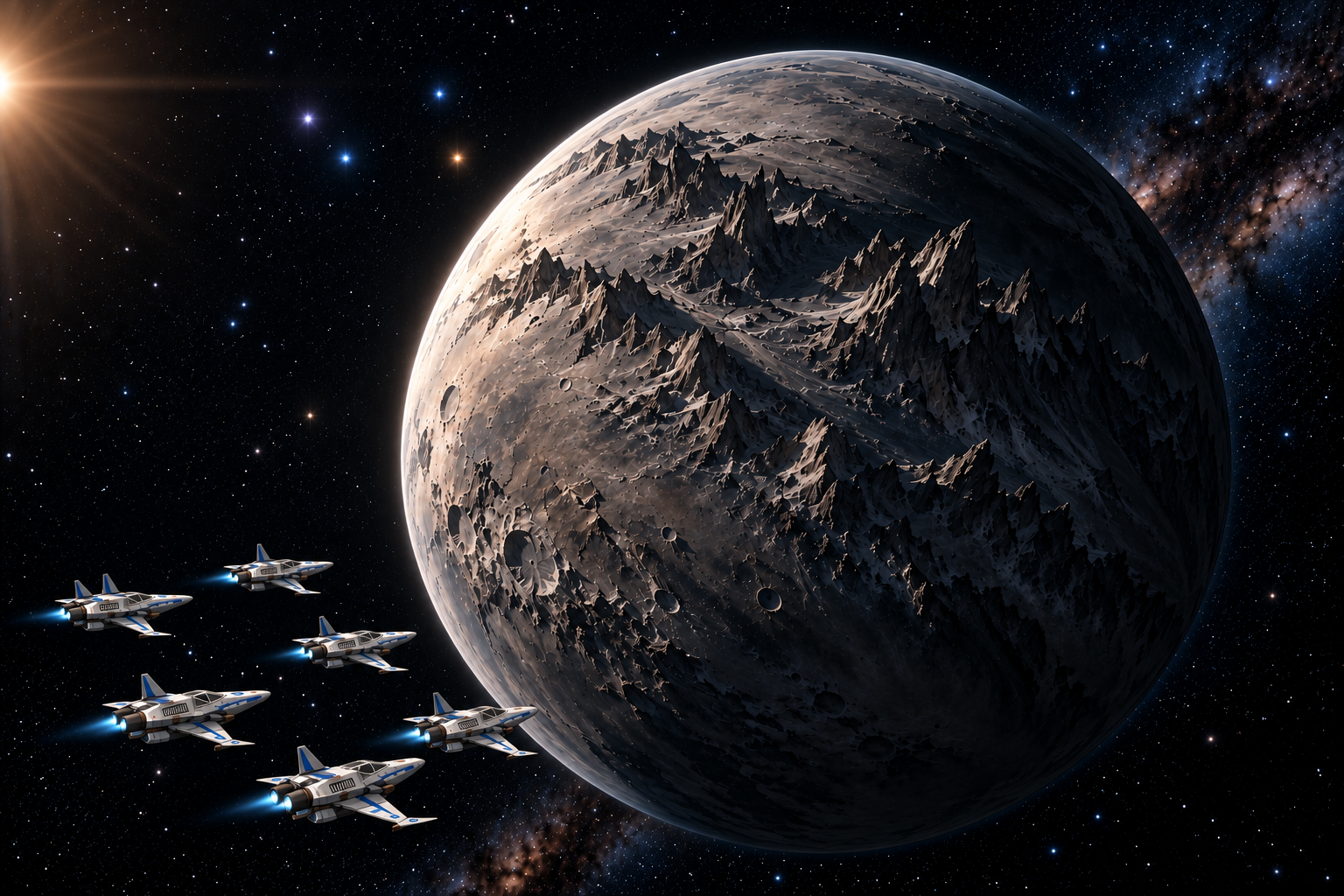
Following the jump, Klaus confirmed both visually and on his plot screen that all pilots and craft were present.
Klaus: Red-Wing, standard holding formation.
So, how was the ride, lads?
Timo: That was wild, Skip!
Toby: You’re wild!
Timo: Rattenfänger!
They could all almost hear and imagine Timo baring his teeth theatrically as he said, “Rattenfänger!”
Hans: I found the jump to be very smooth.
Klaus: Right! Red-Wing.
Time for the sun-fix — analogue methods only. Power down your navigation computers. Use sextant, slide rule, pencil, and pad.
Let’s make Lieutenant Commander English proud.
Red-Wing then flipped a few switches and soon all their navigation screens went dark. Then they reached for their sextants, slide rules, pencils, and notepads.
Klaus: We will use three points of reference, the Sun, Wolfzahn, and Betelgeuse.
Betelgeuse could be clearly seen, glowing orange, between the Sun and Wolfzahn. It sat just under Mu and to the right of Bellatrix and Meissa. Hans was already busy at work. Lifting the sextant to his eye, he lined up the Sun against Wolfzahn’s jagged horizon and noted the angle, writing it down on his notepad with a pencil. He then took a second sighting, this time measuring the angle between Wolfzahn and the far-away orange glow of Betelgeuse. Again he wrote the angle on his notepad. He now had the numbers he needed to make the calculation. Two angles and three fixed points in space. That was all it took to calculate exactly where they were. Hans ran the figures against the slide rule, and cross-checked the result against the known charted marks, which gave him their exact current position, right next to Wolfzahn.
Klaus: Red-Wing, read out your result!
Hans: I have our position at one-four-two kilometres from the Wolfzahn western hemisphere’s primary terminator.
Bearing—0-8-3, Mark—Negative—0-3.
Then, to the surprise and relief of the other pilots, as they each read off their manually calculated positions, they found they were all within the allowable margin for error.
Seb: Confirmed. Position matches.
Raven: Confirmed.
Toby: Eh. Close enough!
Red-Wing then repeated the analogue process to calculate their route home.
Klaus: Good work, gentlemen, now let’s power everything back up, take a loop around this rock and point ourselves in the direction of home.
As Red-Wing threw the switches bringing their navigation systems back online, the reassuring outline of Wolfzahn and its background stars reappeared on their screens.
Klaus: Red-Wing, set course, Bearing—0-6-1, Mark—Negative—0-2…
RED-WING! Tight formation! Condition red!
Wayfarer-Comms—Keel-One! Unknown ship, unknown size, far-side Wolfzahn! Do you see same?
A loud burst of static ionic wash filled their headsets, as the transmission was relayed through the hyperspace corridor.
Scott: Ke…l-On…—Co…ms-…wo, …ay agai…, yo… are re…ding wea… brok…
Klaus: Wayfarer-Comms—Keel-One, unable to read your last.
Repeat — sensors picking up unknown contact, far side Wolfzahn.
Scott’s hands flew over his keyboard, frantically trying to resolve the loud waves of ionic wash coming through the corridor uplink and his headset.
Scott: Stan…by, Ke…l-O…e, attem…ting to re-r…ute tran…ssions via rel…y n…de S…Q…2.
Klaus: Red-Two, you’re closest, see if you can get a better fix on the contact.
Raven: Keel-One—Red-Two, sliding a little further to the left, …standby.
Raven slid his X-fighter a little further to the left to let his sensors get a better view around the western terminator of Wolfzahn.
I am reading a spatial turbulence disparity, there was definitely something there, Skipper—
but whatever it was, it’s gone now.
Klaus: Red-Two, secure the data for relay back to Wayfarer.
Raven: Data secured.
Klaus: Red-Three, take point, go and take a sniff about. Red-Wing, follow.
Timo: You need me to sniff out a rat, Skip? That’s what I was born for!
With Timo taking point, Red-Wing slowly and cautiously made their way around Wolfzahn, keeping their eyes firmly on the view outside, but also on their sensors. Timo’s nose and whiskers twitched in anticipation, even though he couldn’t physically smell what was outside; every part of him was attuned to what was showing on his forward sensors.
Timo: There! A definite spatial disturbance, the same kind that is left behind after a ship jumps to hyperspace.
Wait…
Yes! Sensors are picking up burnt exhaust plasma residue. Whoever it was, they were big, way big.
Klaus: Red-Two, now we’re further around Wolfzahn, see if you can pick up a clearer link to relay node S1-QA2. We need to phone this in.
Raven made some adjustments to his comm-link, attempting to get a better link to the relay node.
Raven: Got it, Skip! I have a hard link to S1-QA2, linking up the rest of you now.
Klaus: Wayfarer-Comms—Keel-One, are you receiving?
Scott: Keel-One—Comms-Two, we have you now at moderate strength and readable.
Klaus: Comms-Two—Keel-One, standby for uplink of data packet for analysis.
Scott: Keel-One—Comms-Two, standing by.
Klaus: Red-Two, you have the best connection, upload the data packet.
Raven: Sending. Standby…
A few moments passed, while the rest of Red-Wing waited for Raven’s confirmation that the data packet had been sent.
… and sent.
Klaus: Wayfarer-Comms—Keel-One, confirm data packet received.
Scott: Keel-One—Comms-Two, it’s coming through now, standby…
Received.
Wayfarer Control Room
Back in the Wayfarer control room, the two cadet analysts took their first look at the data packet. Lieutenant Commander English, who was overseeing the control room, also came over to look.
English: What have we got, lads?
Scott: Plasma exhaust residue, Sir, and a medium-sized spatial turbulence disparity. Running the numbers now.
English: Cadet Vale, your assessment?
Lewis: It was definitely a ship, Sir… but not one of ours.
An unexpected but familiar voice sounded behind Lewis.
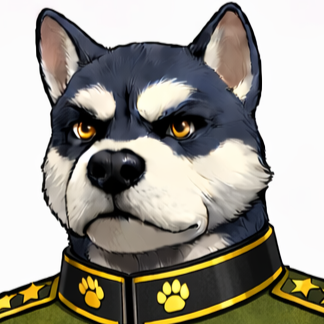
Huxley: Confidence?
Lewis spun around in his chair to find General Huxley himself, standing right there next to Lieutenant Commander English.
Lewis: General Huxley, Sir!
Lewis swallowed briefly before he replied.
High confidence, Sir. The spatial turbulence disparity matches a medium-sized ship. Bigger than Wayfarer, smaller than Chasetail. There is no known ship in the Network’s registry that matches it.
There were a few moments of silence before Scott broke in with the result from his computer analysis.
Scott: I concur with Lewis, Sir. The computer analysis is that a medium-sized ship made a jump to hyperspace moments before Red-Wing rounded the western side of Wolfzahn. The exhaust residues and spatial turbulence confirm it. The computer also confirms no known ship of that size in the registry.
Huxley nodded once.
Huxley: Very well. Carry on.
With that, Huxley promptly turned and left the control room.
English: Scott, let’s have Red-Wing back smartly. The General will want a full debrief.
Scott turned in his chair and called.
Scott: Keel-One—Comms-Two, return to Wayfarer immediately, best speed.
Orbit — Wolfzahn
Klaus: Red-Wing, you heard the call, set course for Wayfarer. Standby for jump.
The chatter on the return journey was a quieter mixture of excitement and thoughtful analysis.
Timo: It was just there I tell ya! I could practically smell the exhaust plasma through my cockpit screen!
Hans: It’s like we were chasing a ghost!
Raven: It’s going to be an interesting debrief, that’s for sure.
Seb, for his part, had his suspicions as to who or what the ship might have been, but for now, he kept them to himself.
The rest of the return journey to Wayfarer through the hyperspace corridor proved uneventful and soon enough Red-Wing had made the jump back to normal space, and Wayfarer soon came into view. Before long all six of the Red-Wing X-fighters were safely back on their assigned pads, and the pilots climbed down to head to what would prove to be a very interesting debrief indeed, complete with the General listening intently to every word.