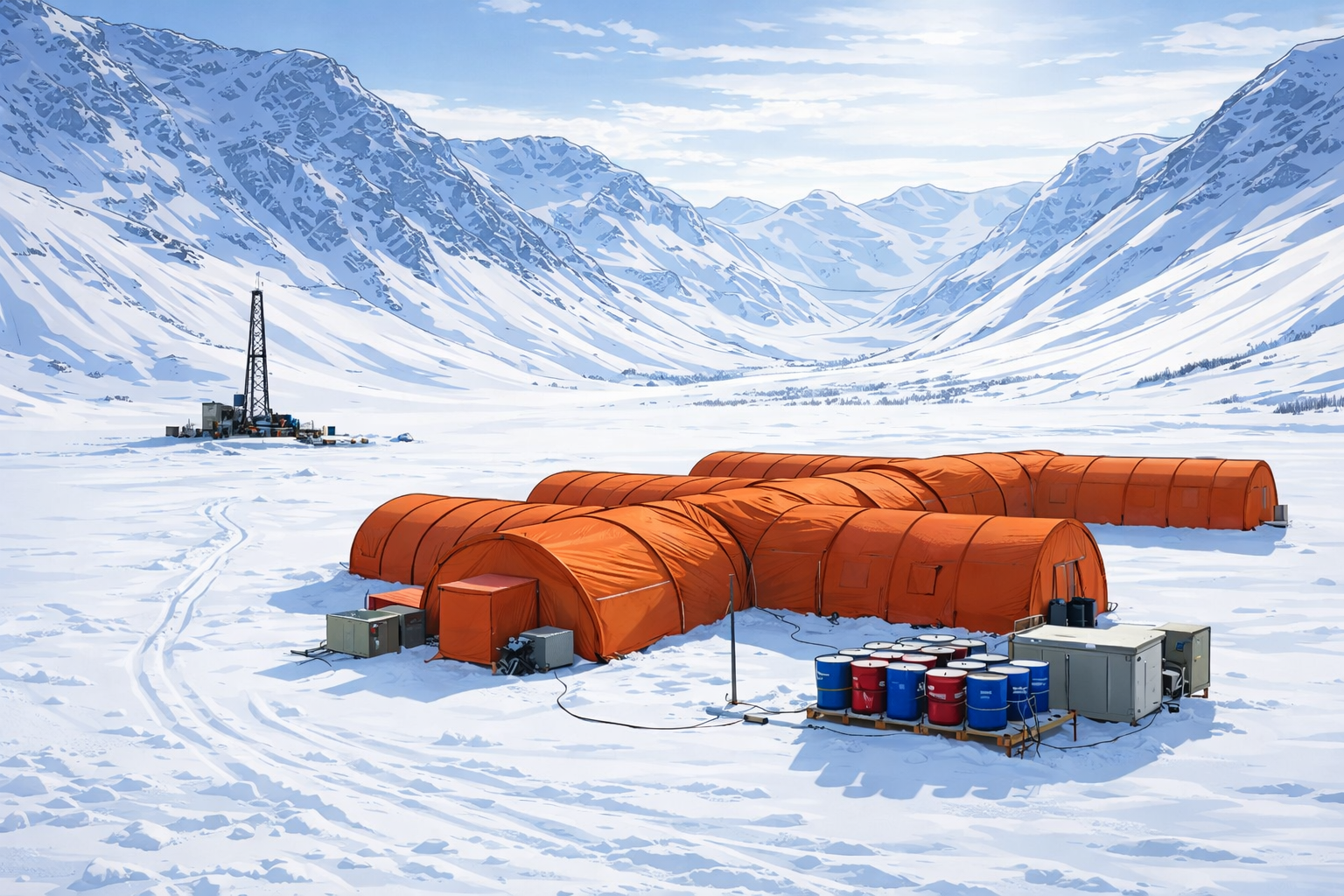
Thermal Array – 3: Research Drilling Station, High Arctic
The drill core bit cleanly through the ice, the permafrost, and the rock below.
A low, steady vibration ran up through the frame as Matthias leaned into the rig, boots braced, gloved paws firm on the controls. The sound was constant, controlled—a deep mechanical hum cutting into the frozen ground beneath them.

Matthias: Holding steady. Pressure’s good. Depth one-zero-zero metres.
Markus stood just off to the side, one hand on the gas analyser, the other resting loosely on his harness. He watched the numbers scroll, then lifted his head slightly, his nose twitching once in the polar air.
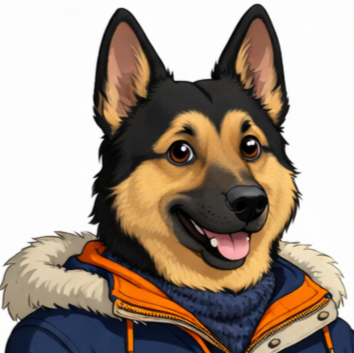
Markus: No volatile spikes. Clean so far.
He glanced back at the screen, as if confirming what his nose already knew.
Elena crouched near the borehole, the probe already inserted into the shallow access channel. A faint glow pulsed along its shaft, soft and steady.

Elena: Thermal gradient is stable. Slight increase past fifty metres, but within projected range.
Matthias: Copy that.
The drill pushed deeper.
Ice and earth gave way to denser resistance—not a jolt, not a change in sound so much as a subtle shift in tone. Matthias adjusted instinctively.
Matthias: There it is. Hitting something denser.
Markus took a step closer to the rig, watching both the drill and the analyser.
Markus: The composition is starting to change. Still reading clean.
Lucas moved in as the first core sample was received—a clean cylindrical cut, frosted along the edges. He took it carefully, sliding it into a waiting sample canister.

Lucas: Sample one secured.
He sealed the container with a firm twist and click.
He marked it.
Lucas: Depth logged: Thirty metres. Securing to primary crate.
Elena glanced briefly at the sample before returning to her readings.
Elena: Structure looks intact. That’s… a lot better preserved than I expected.
Lucas secured the canister into the primary field crate.
Markus gave a small shrug.
Markus: Frozen ground likes to keep its secrets.
He looked back toward the horizon, the sun still riding high in the long Arctic days.
The sky was clear and bright. Wrap-around goggles were needed to protect eyes from the relentless glare of the snow. It was cold, but not too cold, with temperatures hovering just above or below zero—a steady kind of cold, still easy enough to work in with the right clothing.
Matthias: I’m not complaining. We’ve picked a good window to start drilling.
Lucas: Yeah, don’t jinx it then!
Markus huffed softly, his warm breath forming a small, steamy cloud in the cold air.
Markus: Hmph! I don’t believe in jinxes. I believe in data.
He gave another quick sniff and checked the gas analyser again anyway.
The drill continued its steady descent.
The camp sat in the bowl of a glacial valley, tucked into the lee of a glacial moraine that provided a level of protection against the prevailing wind sweeping down from the mountains above.
Raised, interconnected tunnel tents were nestled in the snow, firmly anchored to the tundra below. Sturdy fabric panels shifted gently in the light wind, the portable structures flexible by design.
Inside, the air was warm and hummed with quiet activity.
Lucas pushed through the door, brushing snow from his sleeve as he lugged in the primary field crate with the first three canisters.
Lucas: First core samples coming in.
Rebecca looked up from a checklist, already moving to clear space.

Rebecca: Over here. Let’s log them before they warm up. We’ll need to pass them through to James in the lab iso-tent for processing before decontamination and placing in secondary storage.
She took each canister, carefully checking the seals and labels before logging them into the database.
Rebecca: Three down, then. How’s it looking out there?
Lucas: The drill is cutting clean. It’s a little denser in places than expected. Nothing weird—so far—
He hesitated for just a fraction.
…but the layer preservation is—
He paused, closed his eyes, and took a deep breath in, raising his hands theatrically to his chest.
Exquisite!
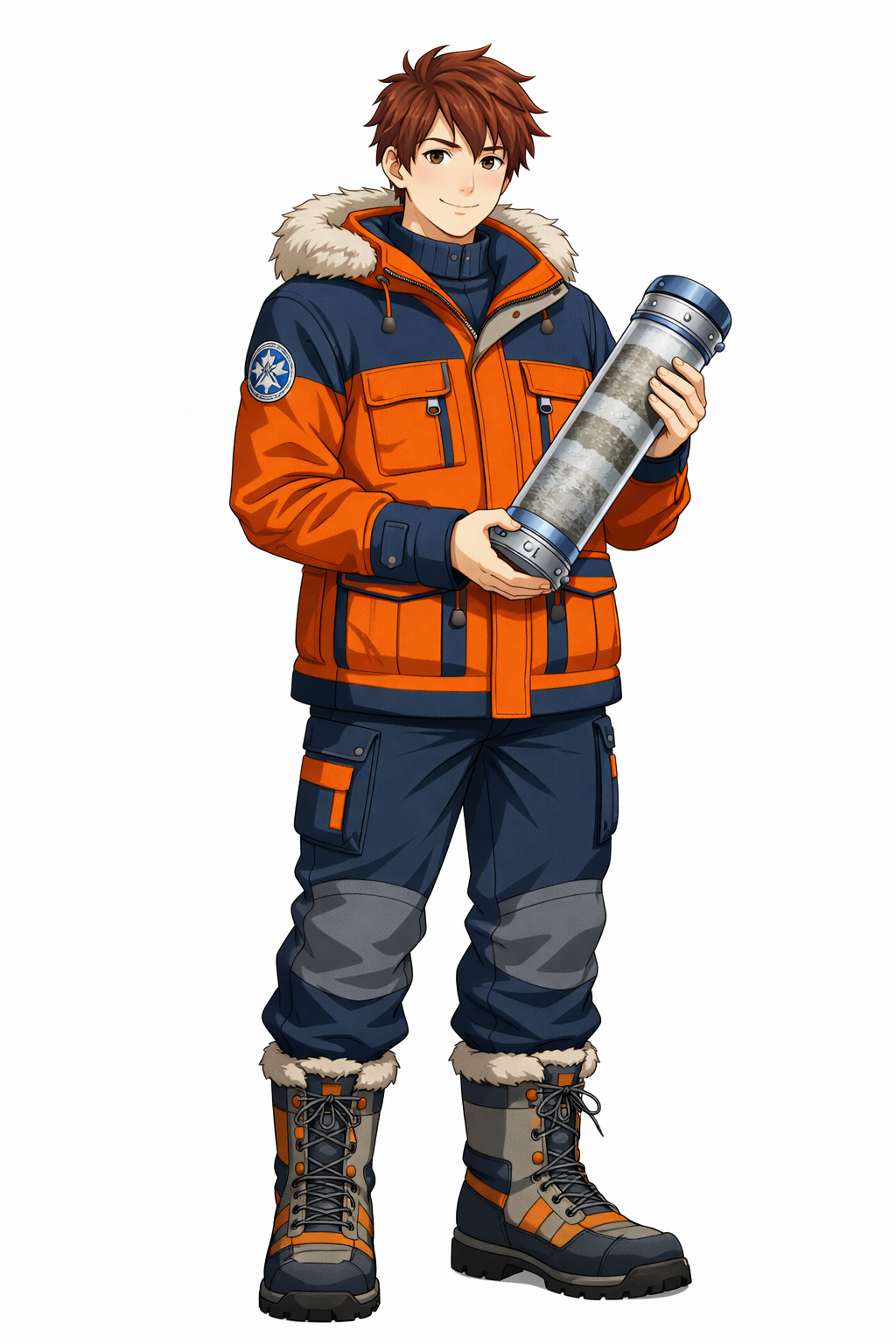
Rebecca rolled her eyes and nodded. She was used to Lucas’s overly dramatic descriptions of even the most mundane things by now.
Rebecca: That’s what we’re here for.
Further down the tent, Eugene sat at his communications station, one ear and one eye half-turned to the room, the other tuned to the steady stream of incoming weather data. He made a general announcement to no one in particular.

Eugene: Now-Sat weather update just came in.
No one looked up immediately.
Eugene liked to keep everyone informed—regularly, several times a day, even when the sun was shining.
He continued anyway.
Eugene: Low-pressure system moving in from the west. Still a few days out.
Rebecca’s interest was mildly piqued. Weather affected site ops.
Rebecca: Anything we need to worry about?
Eugene shook his head.
Eugene: Nope. It’s tracking wide. We’re in a good spot here—the shelter from the moraine helps.
Lucas set the next canister down and gave a half-smirk in Eugene’s direction.
Lucas: Good. You’ve got one job, Gene—keep it that way.
Lucas then took the samples to the laboratory tent.
At the far end, a smaller isolation tent sat within the main tent—it had clear-panelled windows, and the walls were slightly drawn inward by the negative pressure system.
A figure stood waiting to receive the samples—gowned, gloved, and respirator on. He maintained his usual state of relaxed watchfulness, always disciplined and methodical in his approach to just about everything he did, even the way he brushed his teeth.
James Earl Jarvis.
Lucas passed the samples through the receiving flap. James stepped closer, his gaze lingering on the core sample through the clear casing.

James: That’s from the first pass?
Lucas: Yeah. Came out slicker than a seal on black ice at midnight—coming home from the bar!
James leaned in slightly, studying the structure.
James: Hmm.
A hmm that registered as neutral—not concern or approval. Just… interest.
—You’re right. That’s unusually well preserved.
Lucas: I can almost see the mammoths taking a dump from here.
Rebecca smiled and closed the log on her tablet.
Rebecca: Well preserved—that’s a good problem to have.
James didn’t answer immediately.
His eyes stayed on the canister a moment longer before he straightened.
James: Yes.
He paused.
Very good.
James completed the external decontamination procedures and moved the samples into the specialised, climate-controlled secondary storage unit.
Outside, the chill wind brushed lightly against the tents, causing the fabric to ripple softly.
Inside, the samples were logged, decontaminated, sealed, and stored.
Everything was as it should.
 Screw Pile Developments