Planet Profile: Cyanos
Distance from Earth – 63 light years
Mass – 0.73 EME (Earth Mass Equivalent)
Population – 360,000
Capital – Aoraki
Location – HD 189733 b
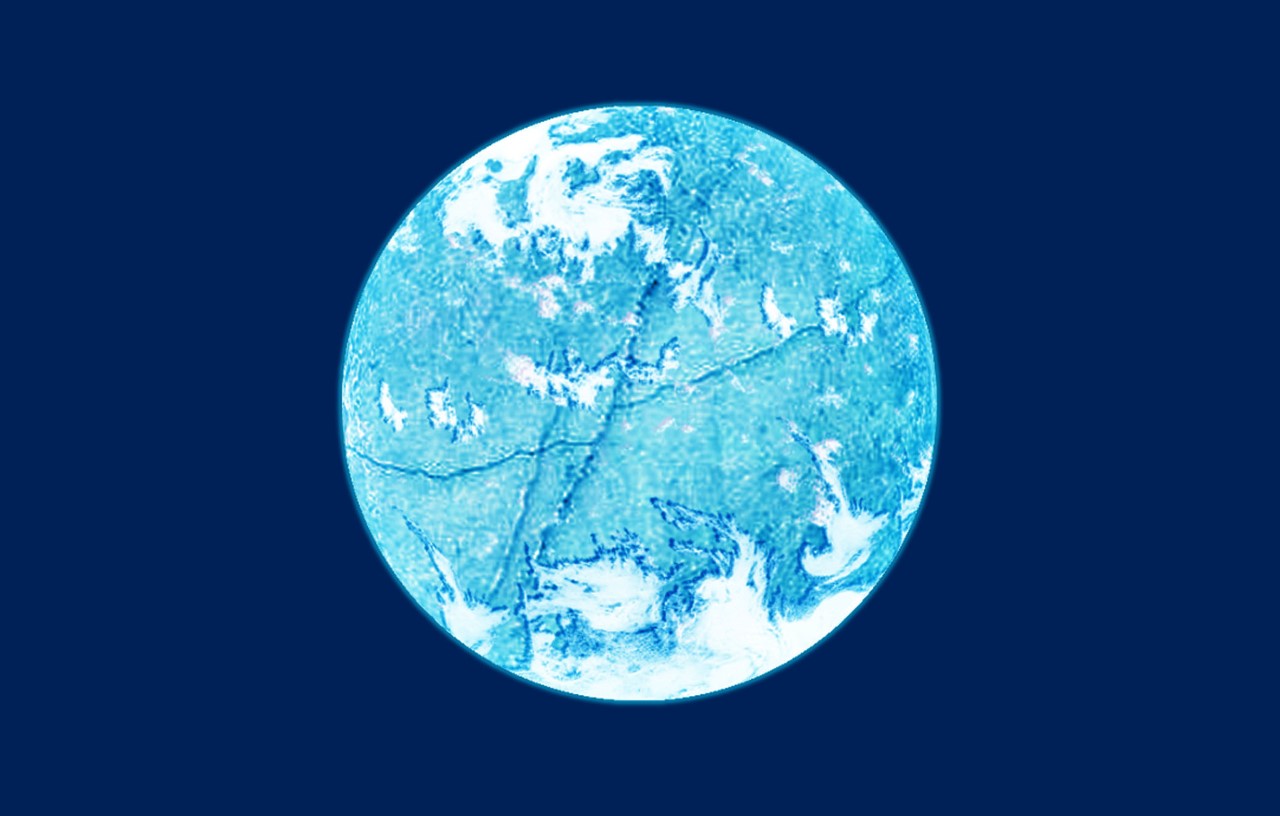
Cyanos Flag
Population
The majority of the planet’s population lives in and around the capital, Aoraki — meaning “cloud piercer” — a reference to the high mountain peaks surrounding the city, which often appear to spear through the cloud layer.
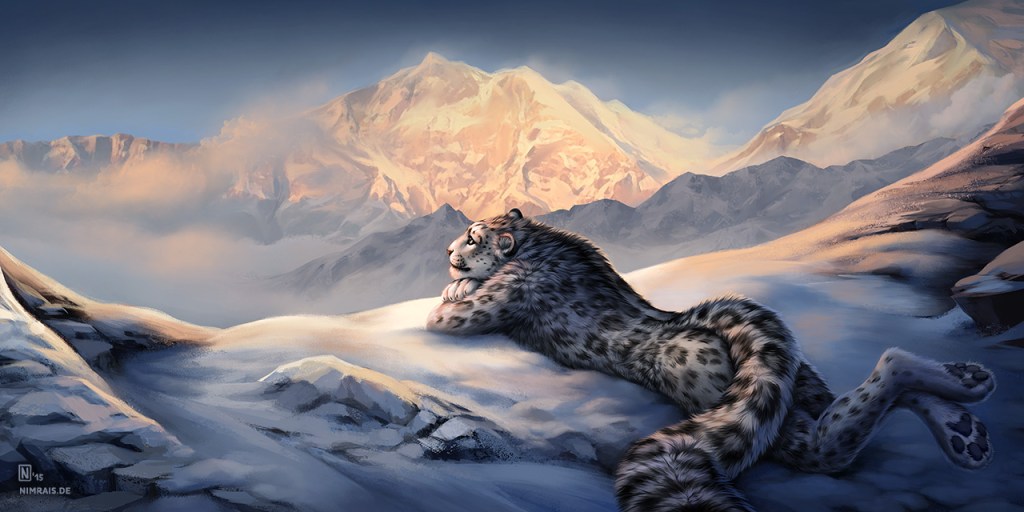
More isolated communities exist beyond the capital. Among them are the Snow Leopards, who inhabit the more temperate volcanic valleys of the north, near the polar ice caps.
Climate
Cyanos’ equatorial regions experience a subpolar oceanic climate, transitioning into vast, uninhabited expanses of cooler highland tundra in the surrounding mountains.
Despite its latitude, the equatorial zone is more temperate than expected. Oceanic currents, warmed by numerous sub-oceanic volcanic vents, help regulate temperatures across inhabited regions.
The weather on Cyanos is notoriously variable. There are two principal seasons: winter and a cool summer — sometimes referred to locally as “winter-lite.”
Winter is relatively mild overall, owing to strong maritime influence and proximity to warm volcanic currents. The equatorial lowlands average around 0 °C in winter, while temperatures in the northern polar regions range between −25 and −30 °C. The lowest recorded temperature is −39.7 °C.
Summer in Aoraki, located near the equator, sees average temperatures of 10–13 °C. Warmer days can reach 20–25 °C, with a recorded high of 30.5 °C.
Annual sunshine hours in Aoraki total approximately 1,300 — comparable to coastal towns in Scotland and Ireland on Earth.
Geology
Cyanos’ geology is complex and scientifically significant. The planet is composed of numerous divergent tectonic plate boundaries, creating a landscape shaped by constant geological activity.
Aoraki sits above a mantle hotspot known as the Vulcan Plume. This plume is believed to have formed the Aoraki region, first emerging above the ocean surface approximately 16–18 million years ago. The result is a terrain characterised by ongoing volcanism and geothermal features such as geysers and thermal fields.
Start reading here — Episode 1: Fire Circle
 Screw Pile Developments